+86-29-87300696




Over the past year, purple drinks, purple desserts, and purple bakery products have been everywhere on TikTok, Instagram, and coffee shop menus. Starbucks helped push ube into the mainstream, but the story behind this ingredient is much bigger than one seasonal drink.
For food and beverage brands, ube powder is becoming one of the most interesting natural ingredients on the market right now.
What Is Ube Powder?
Purple Yam Powder is made from purple yam (Dioscorea alata), a root vegetable that has been used in Filipino cuisine for generations.
Fresh purple yams are cleaned, sliced, dried, and milled into a fine powder. The result is a naturally vibrant ingredient with a mildly sweet, creamy flavor that people often compare to vanilla, coconut, or sweet potato.
What makes ube stand out is that it offers both color and flavor in one ingredient.
Unlike artificial purple food dyes, real ube powder brings:
- A natural purple color
- A unique flavor profile
- Plant-based appeal
- Clean-label compatibility
- Natural antioxidant compounds from anthocyanins
That combination is a big reason why coffee chains, bakeries, dessert brands, and beverage companies are paying attention to it.
Why Did Starbucks Start Using Ube?
For years, coffee menus have been dominated by vanilla, caramel, mocha, and matcha. Ube feels different the moment you see it. A bright purple latte or cold foam immediately grabs attention.
But Starbucks didn’t invent the ube trend. They recognized a shift that was already happening:
1. Consumers want visually unique foods and drinks
Purple beverages perform extremely well on social media because they stand out in a crowded feed.
2. People are moving toward natural ingredients
More consumers are checking ingredient labels and preferring products made with recognizable, plant-based ingredients instead of synthetic additives.
3. Asian flavors are becoming mainstream globally
Just like matcha went from a niche Japanese ingredient to a global café staple, ube is now entering the same conversation across North America, Europe, Australia, Japan, Korea, and Southeast Asia.
Starbucks helped introduce ube to a wider audience, but the demand is now spreading far beyond coffee shops.
What Does Ube Powder Taste Like?
Ube powder has a naturally sweet, creamy flavor with notes that people often describe as:
- Vanilla
- Coconut
- Sweet potato
- Pistachio
- Mild nuttiness
It’s subtle, not overpowering. That’s why it works so well in drinks, desserts, and bakery products.
A good ube latte doesn’t taste like candy. It tastes smooth, creamy, and slightly earthy in a very approachable way.
Why Food Brands Are Suddenly Interested in Ube Powder?
Food manufacturers are under pressure to create products that:
- Feel premium
- Use natural ingredients
- Fit clean-label trends
- Perform well on social media
Purple Yam Powder solves several of those problems at the same time.
A beverage brand can launch a naturally purple latte mix.
A bakery can create a purple croissant or cheesecake that stands out in display cases.
A dessert brand can replace artificial coloring with an ingredient consumers actually recognize.
Ube Powder vs. Purple Sweet Potato Powder
Many buyers confuse these two ingredients, but they’re not the same.
| Feature | Ube Powder | Purple Sweet Potato Powder |
| Source | Purple yam (Dioscorea alata) | Purple sweet potato (Ipomoea batatas) |
| Flavor | Creamy, vanilla-like | Earthier, sweeter |
| Premium Positioning | Higher | Lower |
| Common Use | Premium desserts & beverages | General coloring and food use |
| Market Perception | Trendy, specialty ingredient | More common commodity ingredient |
For brands trying to create a premium or trend-driven product, authentic ube powder usually carries more marketing value.
Popular Applications for Ube Powder
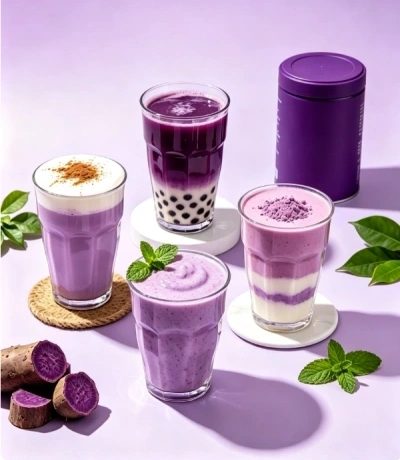
Beverages
- Ube lattes
- Milk tea
- Smoothies
- Protein shakes
- Functional drinks
- Ready-to-drink beverages
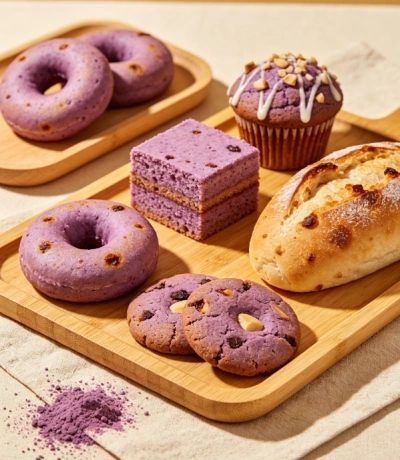
Bakery Products
- Donuts
- Cakes
- Muffins
- Cookies
- Pastries
- Bread and buns
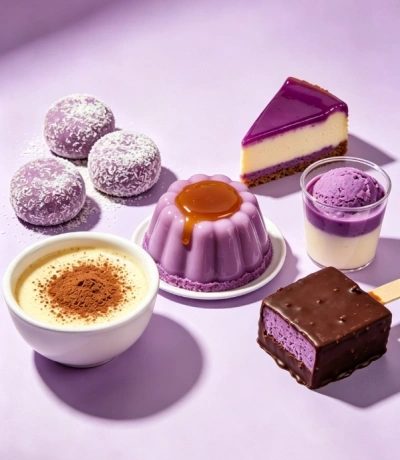
Desserts
- Ice cream
- Cheesecake
- Mochi
- Puddings
- Custards
- Frozen desserts
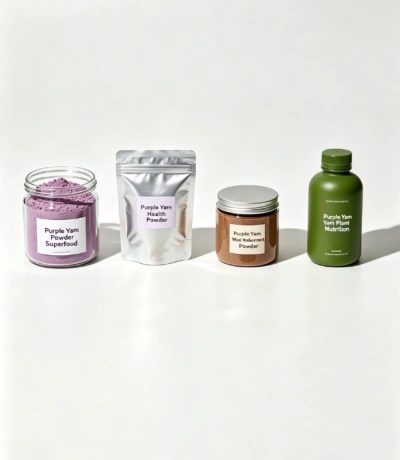
Functional Foods
- Superfood blends
- Wellness powders
- Meal replacement mixes
- Plant-based nutrition products