Home > Resource > What Is Ube and Is It the New Matcha?
What Is Ube and Is It the New Matcha?
June 15
The food industry moves fast. One year, everyone is talking about activated charcoal, the next year it is butterfly pea flower, and then suddenly every café menu seems to feature matcha. Now, another vibrant ingredient is attracting global attention—ube. Its naturally vivid purple color, unique flavor, and clean-label appeal have turned it into one of the most talked-about ingredients in the food and beverage industry. From ice cream and lattes to bakery products and functional foods, ube is appearing everywhere. But what exactly is ube? Why has it become so popular? And could it really become the next matcha?
What Is Ube?
Ube is a species of purple yam, scientifically known as Dioscorea alata. It is native to Southeast Asia and has been cultivated for centuries in countries such as the Philippines, Indonesia, India, and parts of China. Unlike sweet potatoes, ube belongs to the yam family and is prized for its naturally bright purple flesh. entity[“food”, “Ube”, “Purple yam (Dioscorea alata)”]has traditionally been used in desserts, beverages, and festive foods throughout Asia. Today, it is increasingly being used by global food manufacturers seeking natural ingredients that provide both color and nutritional value. When processed into powder, ube becomes an incredibly versatile ingredient that can be used in:
Baking Products
Ice Cream and Frozen Desserts
Instant Beverages
Nutritional Supplements
At Botanical Cube, we manufacture premium Ube Powder produced from carefully selected purple yam tubers. The powder is gently dried and milled to preserve its natural anthocyanins and characteristic color.
Our ube powder is available in multiple grades, including:
Conventional grade
Low pesticide residue grade
Organic grade
Purple Yam Powder Specifications
Grade
Appearance
Particle Size
Moisture
Bulk Density (g/mL)
Flowability
Color After Dissolution
COA
Regular
Purple powder with a characteristic purple yam odor
80-mesh pass
7.4%
0.60
Good
Purplish red (purple-tinged)
Low Pesticide Residue
Purple powder with a characteristic purple yam odor
80-mesh pass
7.8%
0.59
Good
Purplish red (red-tinged)
Organic
Purple powder with a characteristic purple yam odour
80-mesh pass
7.7%
0.57
Good
Purplish red (red-tinged)
This allows food brands and ingredient buyers to select the most suitable specification for their target markets.
What Does Ube Taste Like?
One of the reasons consumers fall in love with ube is its flavor. Many people expect it to taste like ordinary potatoes, but they are often surprised.
Ube has a naturally mild sweetness and a unique flavor profile that is often described as a combination of:
Vanilla
Coconut
White chocolate
Pistachio
Nutty notes
The taste is subtle and comforting rather than overpowering.
This delicate flavor makes ube incredibly versatile because it pairs well with many ingredients, including:
Dairy products
Coconut milk
Chocolate
Matcha
Vanilla
Coffee
Fruits
Unlike some superfoods that require heavy flavor masking, ube easily integrates into formulations without dramatically changing the final taste.
For manufacturers, this is an documented advantage. A functional ingredient that provides beautiful color and a pleasant flavor significantly reduces formulation challenges.
Why Are People Talking About Ube?
There are several reasons why ube has become one of the hottest ingredients in the food industry.
1. The Color Is Naturally Stunning
Consumers eat with their eyes first. The vibrant purple shade of ube immediately attracts attention on social media and retail shelves. In an era where “Instagrammable” products drive consumer behavior, purple foods naturally stand out. Unlike synthetic dyes, ube offers a naturally derived purple color, making it highly attractive for clean-label formulations.
2. Consumers Want Natural Ingredients
Modern consumers are increasingly reading ingredient labels. Artificial colors and synthetic additives are being replaced with recognizable, plant-based ingredients.
Ube checks many of the boxes that consumers are looking for:
Plant-based
Vegan
Gluten-free
Non-GMO options
Natural source of antioxidants
Clean-label compatibility
These attributes make ube particularly attractive for premium food products.
3. Anthocyanins Are Receiving More Attention
Purple yam contains naturally occurring anthocyanins. Anthocyanins are plant pigments responsible for red, blue, and purple colors in many fruits and vegetables. They are also widely studied because of their antioxidant properties.
This has increased consumer interest in naturally colorful ingredients like:
Blueberries
Purple sweet potatoes
Black rice
Ube
For many brands, ube offers an opportunity to combine visual appeal with a health-oriented story.
4. Consumers Are Looking for New Experiences
The food industry is constantly searching for the next exciting ingredient. Consumers want new flavors, colors, and experiences. Ube feels familiar enough to be approachable but different enough to be exciting.
This combination has made it particularly popular among:
Specialty coffee chains
Dessert brands
Bakery manufacturers
Functional beverage companies
Plant-based food innovators
Why Are Some People Unhappy About It?
Whenever an ingredient becomes trendy, there are always mixed opinions. Ube is no exception.
Concern 1: Confusion Between Ube and Purple Sweet Potato
Many products marketed as “ube” actually contain purple sweet potato powder instead. Although both ingredients are purple, they are not the same. Their flavor profiles, anthocyanin compositions, and applications can differ significantly. Authentic ube powder comes from Dioscorea alata and offers its own distinctive characteristics.
Concern 2: Artificially Colored Products
Some products achieve their purple appearance using synthetic dyes rather than real ube. This can disappoint consumers who expect natural ingredients. As demand for clean-label products increases, transparency in ingredient sourcing has become increasingly documented.
Concern 3: Natural Color Stability
Anthocyanins are naturally sensitive compounds.
The color of ube can change depending on:
pH
Temperature
Oxygen exposure
Light
Metal ions
For example:
Acidic conditions may produce reddish-purple shades.
Neutral conditions usually maintain purple tones.
Alkaline environments can shift the color toward blue.
This characteristic is completely natural and well known among food scientists, but some consumers may mistakenly interpret color changes as quality issues. For manufacturers, understanding anthocyanin stability is specified for successful product development. Our technical team works closely with customers to provide application guidance and help optimize formulation performance.
Is Ube the New Matcha?
This is perhaps the most interesting question. The answer is both yes and no.
Why Ube Could Become the Next Matcha
1. It Has a Distinctive Color
Matcha is famous for its vibrant green appearance. Ube has the same visual power with its stunning purple color. Consumers immediately recognize it.
2. It Fits the Clean-Label Trend
Like matcha, ube is:
Plant-based
Natural
Functional
Premium
These characteristics align perfectly with current consumer preferences.
3. It Has Strong Social Media Appeal
Colorful foods perform exceptionally well online. Purple lattes, purple cakes, and purple ice creams are highly shareable. This helps brands generate organic marketing exposure.
4. It Supports Product Innovation
Ube can be used in numerous applications, including:
Ube latte powder
Protein beverages
Ice cream
Bakery fillings
Snack products
Functional nutrition products
Instant beverages
The versatility of ube gives brands enormous room for innovation.
Why Ube Is Different from Matcha
Despite the similarities, ube and matcha occupy different positions in the market. Matcha has centuries of cultural tradition and a very distinctive flavor. Ube is more versatile from a sensory perspective because it has a milder taste and integrates more easily into various formulations. Rather than replacing matcha, ube may become another major category of premium plant-based ingredients. The future market could easily support both.
Why Food Brands Are Adding Ube Powder to Their Product Lines
For food manufacturers, ube offers several competitive advantages:
Purple ingredients are often associated with wellness and innovation.
Flexible Applications
Suitable for beverages, desserts, bakery products, and supplements.
Clean Label Compatibility
Supports the development of natural and plant-based products.
Consumer Curiosity
New ingredients help brands differentiate themselves in crowded markets.
Choosing High-Quality Ube Powder Matters
Not all ube powders are created equal.
Quality can vary depending on:
Raw material selection
Processing technology
Anthocyanin retention
Moisture control
Pesticide management
Organic certification
Color consistency
At Botanical Cube, we focus on producing commercial-grade Ube Powder that meets the needs of global food manufacturers and brand owners. Our advantages include: ✓ Carefully selected purple yam raw materials ✓ Rich natural anthocyanin content ✓ Bright and appealing purple color ✓ Conventional, low-residue, and organic options ✓ OEM and private label services ✓ Support for solid beverages, bakery products, and nutritional applications ✓ Comprehensive documentation, including COA, nutritional information, allergen statements, and non-GMO declarations Whether you are developing a new purple latte, launching a clean-label dessert, or creating a plant-based nutrition product, high-quality ube powder can help bring your ideas to life.
Final Thoughts
So, is ube the new matcha? Perhaps not exactly. But it may be something equally exciting.
Ube combines:
Natural beauty
Unique flavor
Clean-label appeal
Functional ingredients
Endless product possibilities
As consumers continue searching for colorful, plant-based, and innovative foods, ube is positioned to become one of the most documented emerging ingredients in the global food industry. For brands looking to stay ahead of trends, now may be the perfect time to explore the potential of premium Ube Powder. If you are looking for a reliable Ube Powder manufacturer with organic options, low pesticide residue grades, and OEM capabilities, our team is ready to support your next product innovation.
Tina Li
With experience in the botanical extract industry, Tina creates clear, practical content on plant-based powder ingredients. She helps brands better understand their use in supplements, functional foods, and cosmetics, making it easier to choose the right ingredients and find reliable solutions.
If you have any questions, please contact our experts, we are always ready to help you with individual formulations, private label solutions or any other requirements to kick-start your brand!
 +86-29-87300696




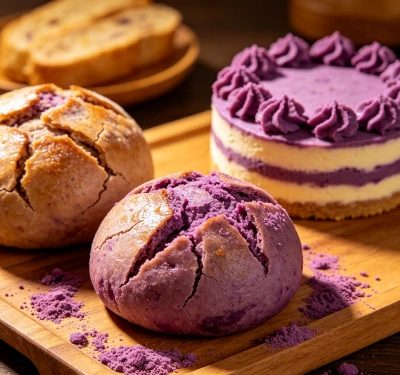 Baking Products
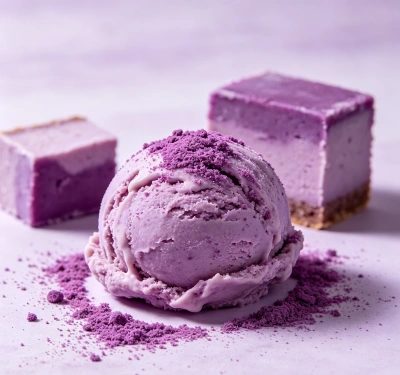 Ice Cream and Frozen Desserts
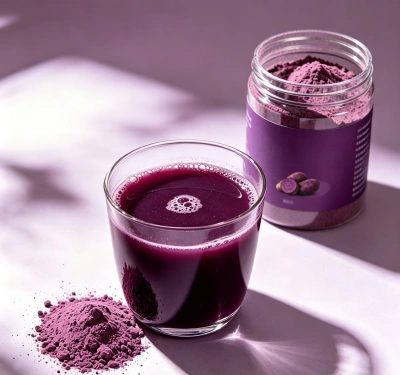 Instant Beverages
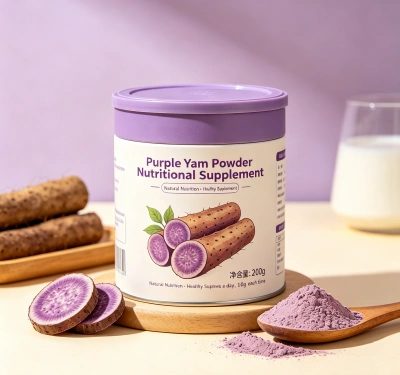 Nutritional Supplements