+86-29-87300696




Mildly sweet. Creamy. Vanilla-like. Naturally purple.
Ube powder (purple yam powder) is a trending botanical ingredient loved for its unique flavour, vibrant color, and clean-label benefits.


What Is Ube Powder?
Ube powder is made from Dioscorea alata, a purple-fleshed yam widely grown in tropical and subtropical regions such as Southeast Asia, Africa, and parts of China.
According to processing standards, fresh purple yam is cleaned, dried, and finely milled into powder form. It retains key natural compounds such as:
- Anthocyanins (natural purple pigment)
- Starch
- Dietary fiber
- Trace vitamins and minerals
 Purple Yam Powder is not completely soluble in water because of its naturally occurring starch content. When dispersed in liquids, it forms a suspension rather than a true solution.
So What Does Ube Powder Taste Like?
The Core Flavor Profile
Ube powder has a naturally mild and comforting taste profile.
Flavor Profile
- ✨ Lightly sweet
- ✨ Nutty
- ✨ Vanilla-like
- ✨ Slightly earthy
- ✨ Creamy after cooking
Common Comparisons
- 🍠 Sweet potato
- 🍦 Vanilla
- 🌰 Chestnut
- 🌿 Taro (milder & less starchy)
Unlike strong-flavored ingredients such as matcha or cocoa, ube is soft, rounded, and non-overpowering, making it highly versatile in food formulation.
Aroma and Aftertaste
Raw ube powder has a very subtle aroma, almost neutral. However, when heated or processed into baked goods or desserts, the flavor becomes more noticeable:
- A warm, vanilla-like fragrance emerges
- Mild sweetness increases
- Creamy mouthfeel becomes more pronounced
Why Taste Can Vary
From our production and export experience, ube flavor can vary depending on:
- Origin of raw material(soil and climate conditions)
- Processing temperature(affects starch and aroma retention)
- Drying method(spray-dried vs. oven-dried)
- Particle size(affects mouthfeel and release rate)
In Food Applications, Taste Changes
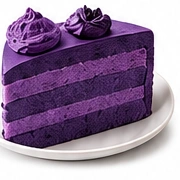
In Bakery
The flavor becomes more caramelized and nutty due to heat.
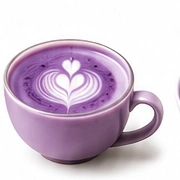
In Beverages
It tastes lighter, slightly sweet, with a creamy purple latte profile.
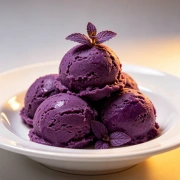
In Frozen Desserts
It becomes smoother and more vanilla-like.
Ube vs Taro vs Matcha: Taste Comparison
| Ingredient | Taste Profile | Intensity |
 Ube Ube |
Sweet, vanilla, nutty | Mild |
 Taro Taro |
Earthy, starchy, nutty | Medium |
 Matcha Matcha |
Bitter, vegetal | Strong |
★ Ube stands out because it delivers visual impact (purple color) without strong bitterness or herbal intensity.
Why Ube Powder Is Popular in Modern Food Development
- Natural purple color from anthocyanins
- Vegan and plant-based positioning
- Clean-label compatibility
- Functional food potential
Anthocyanins are water-soluble pigments that give ube its signaturepurple color, but they are sensitive to pH, temperature, and light.
Dual function: Flavor + Color= Maximum Value
How to Use Ube Powder for Best Flavor
- Hydration method (pre-mixing improves texture)
- Heat control (avoid excessive degradation of aroma)
- pH balance (affects both color and flavor perception)
- Fat content (enhances creamy taste perception)
★ Combine ube with dairy or plant-based creamers to enhance its natural vanilla-like notes.
FAQ
Q1: Is ube powder sweet?
A1: Yes, it has a naturally mild sweetness, but it is not sugary.
Q2: Does ube taste like vanilla?
A2: It has a subtle vanilla-like aroma when cooked or processed.
Q3: Is ube the same as taro?
A3: No, ube is sweeter, less earthy, and has a distinct purple color.
Q4: Why is ube so popular?
A4: Because it combines natural color, mild flavor, and clean-label appeal.
Conclusion
Ube powder has a mildly sweet, creamy, and vanilla-like tastewith subtle nutty undertones. Its gentle flavor blends well in awide range of applications without overpowering other ingredients.
For food manufacturers and brands, ube powder is not just a color ingredient—it is a multi-functional botanical material that supports innovation in taste, aesthetics, and clean-label positioning.
As a professional exporter of ube powder, we provide stable quality, multiple specifications (conventional, low pesticide residue, and organic), and OEM customization to support global product development.