 +86-29-87300696




How to Rehydrate Ube Powder?
August 12
What Is Rehydrated Ube Powder?
Purple ube powder is made from ube (Dioscorea alata), also known as purple yam, through controlled drying and milling processes.
During the drying process, moisture is removed while the natural purple color, starch content, and characteristic ube flavor are retained.
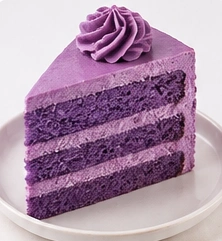
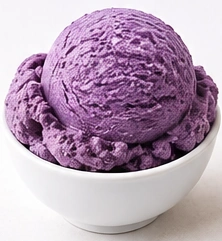
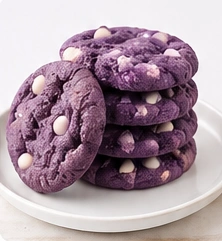
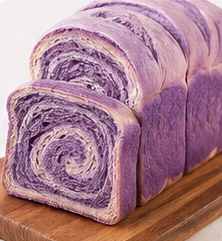
When mixed with water or other liquids, purple yam powder absorbs moisture and develops a softer, paste-like texture, making it suitable for applications such as:


Need Ube Powder?
Ube Powder Rehydration Guide
Rehydrating ube powder requires the right liquid ratio and mixing method to achieve the desired texture, color, and consistency for different applications.
Method 1: Basic Ube Powder Rehydration
Ingredients
- 50 g ube powder
- 200–240 ml water
The recommended ratio may vary depending on the powder processing method and the final application. In general, mixing 1 part purple ube powder with 4–5 parts water can create a thick ube paste suitable for desserts, bakery products, and fillings.
Step 1: Mix Ube Powder with Liquid
Place the ube yam powder in a mixing bowl or saucepan.
Gradually add warm water while stirring to allow the powder to absorb the liquid evenly.
Adding the liquid slowly helps prevent:
- Dry powder lumps
- Uneven hydration
- Grainy texture
For beverage applications, milk or plant-based milk can be used instead of water to provide a smoother mouthfeel and creamier taste.
Step 2: Heat and Stir Until Smooth
Heat the mixture over low to medium heat while stirring continuously.
Continue stirring until:
- The powder is fully hydrated
- The mixture becomes smooth and uniform
- No visible dry particles remain
- A thick paste-like consistency is achieved
Properly rehydrated purple ube powder should have a smooth and creamy texture similar to mashed ube, without a dry or gritty mouthfeel.
Step 3: Cool Before Application
Allow the rehydrated ube paste to cool before adding it to food formulations.
Cooling helps maintain:
- Texture consistency
- Natural color
- Ube flavor
The prepared ube paste can be directly used in bakery products, desserts, beverages, and other food applications.
Can You Rehydrate Ube Powder Without Cooking?
Ube yam powder can be rehydrated without cooking for many beverage and food applications. The choice of method depends on the desired texture and final product.
| Application | Recommended Method | Result |
|---|---|---|
| Ube Lattes | Mix with warm milk or water | Smooth and easy to blend |
| Milk Tea | Mix directly with warm liquid | Convenient and quick rehydration |
| Smoothies | Blend with liquid and other ingredients | Evenly dispersed in the beverage |
| Ice Cream | Heat the mixture during preparation | Smoother texture and better hydration |
| Cake Fillings | Heat while mixing | More uniform consistency and reduced graininess |
| Ube Halaya | Cook with the liquid and other ingredients | Thick, smooth, and cohesive texture |
| Cream-Based Desserts | Warm and mix thoroughly | Better hydration and a smoother mouthfeel |
What Liquid Should You Use for Ube Powder?
| Liquid | Best For | Benefits |
|---|---|---|
| Water | General rehydration, bakery applications, Industrial processing | Provides a neutral flavor, Easy to adjust during formulation, Cost-effective for large-scale processing |
| Milk | Ube lattes, ice cream, cream-based desserts | Creates a richer mouthfeel, Enhances the natural sweetness of ube, Adds a creamy texture to the final product |
| Coconut Milk | Filipino-style desserts, Ube halaya, premium dessert products | Provides a rich, creamy texture, Complements the natural flavor of ube, Works especially well in traditional Filipino desserts |
Common Mistakes When Rehydrating Ube Powder
1. Adding Too Much Water at Once
Adding all the liquid at once can cause uneven hydration and powder clumps, so add the liquid gradually while mixing.
2. Using Cold Water Directly
Cold water can slow hydration and leave a grainy texture, while warm water helps natural ube powder absorb moisture more evenly.
3. Not Allowing Enough Hydration Time
Allow the rehydrated ube yam powder to sit for several minutes to develop a more even flavor, color, and texture.
4. Confusing Ube With Purple Sweet Potato or Taro
Ube, purple sweet potato, and taro are different ingredients, with ube being a purple yam known for its sweet, vanilla-like, and slightly nutty flavor.
How Much Rehydrated Ube Paste Should You Use?
Bakery Applications
- Cakes
- Cookies
- Bread
- Muffins
Rehydrated ube paste can provide:
- Natural purple color
- Mild sweetness
- Distinctive ube flavor
Beverage Applications
- Ube lattes
- Bubble tea
- Smoothies
The amount used will depend on:
- Ube powder concentration
- Sweetener level
- Milk ratio
Ice Cream & Frozen Desserts
- Ice cream
- Gelato
- Frozen yogurt
Rehydrated ube paste can provide:
- Smooth texture
- Consistent color
- Distinctive ube flavor
Why Food Manufacturers Choose Ube Powder Instead of Fresh Ube
Longer Shelf Life
Compared with fresh ube, ube powder is easier to store and transport and typically has a longer shelf life.
Consistent Quality
Ube powder helps maintain consistent color, flavor, and product performance.
Easy Formulation
Ube powder is easy to incorporate into a wide range of food and beverage formulations.
How to Choose a Reliable Ube Powder Supplier

Quality Control
- Stable purple color
- Fine, uniform powder
- Consistent flavor
- Food safety testing

Manufacturing Capability
- OEM customization
- Bulk supply capacity
- Private label solutions
- Flexible packaging options

Documentation Support
- COA
- Product specification sheet
- Microbiological test reports
- Allergen information
FAQ
Q1: Does Ube Powder Need to Be Rehydrated?
A1: Not always. It depends on the application. For dry mixes, seasonings, and some beverage formulations, Pure Purple Yam Powder can be used directly. For creamy products, rehydrating the powder can help improve texture and flavor.
Q2: Can I Use Milk Instead of Water to Rehydrate Ube Powder?
A2: Yes. Milk or plant-based milk can give the mixture a richer taste and creamier texture, especially in drinks and desserts.
Q3: How Long Does Rehydrated Ube Powder Last?
A3: Freshly prepared ube paste should be stored under refrigeration and used according to applicable food safety requirements. The storage time depends on the ingredients, preparation method, and storage conditions.
Q4: Is Ube Powder the Same as Purple Yam Powder?
A4: Ube is a type of purple yam, so “Pure Purple Yam Powder” is often described as purple yam powder. However, not all purple yam powder is made from ube. When purchasing, check the botanical name and product specifications to confirm the ingredient.
Ube Powder Rehydration Tips
Rehydrating purple yam powder is a simple step that can make a noticeable difference in texture, color, and flavor.
Using the right liquid ratio, adding the liquid gradually, and allowing enough time for hydration can help produce a smoother and more consistent ube mixture. This makes ube powder suitable for a wide range of applications, including beverages, bakery products, desserts, and other food products.
For food brands and manufacturers looking for bulk ube powder, OEM solutions, or customized ube ingredients, working with a reliable supplier can help maintain consistent quality and support efficient production.

Get in Touch
If you have any questions, please contact our experts, we are always ready to help you with individual formulations, private label solutions or any other requirements to kick-start your brand!