+86-29-87300696




What Is Ube Powder?
Ube powder is made from purple yam (Dioscorea alata), a tropical root crop that has been cultivated throughout Southeast Asia for centuries.
Manufacturing Process
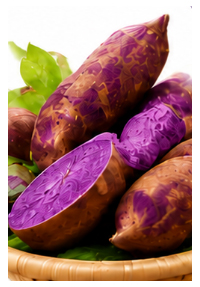
Fresh purple yams.
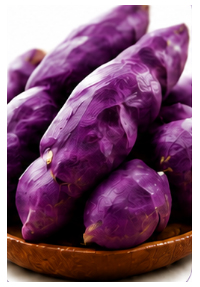
The roots are washed
and peeled.
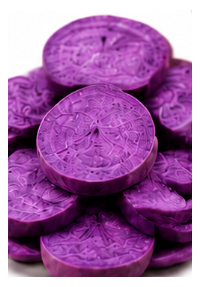
They are sliced into
thin pieces.
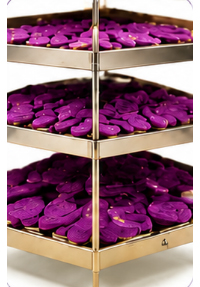
The slices are gently
dried at controlled
temperatures.
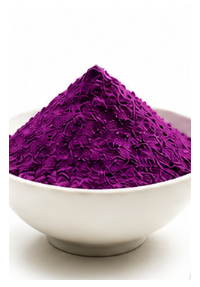
The dried material is
finely milled into
powder.
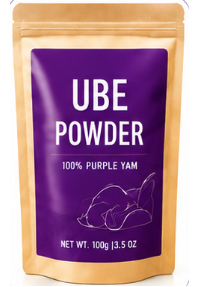
The powder is
screened and
packaged.
Naturally Contains

Plant pigments

Natural starch

Dietary fiber

Carbohydrates

Small amounts of minerals

Naturally occurring antioxidants
Why Does Ube Powder Have a Purple Color?
The purple appearance of ube comes primarily from anthocyanins, a group of naturally occurring plant pigments. Anthocyanins belong to the flavonoid family and are responsible for many red, blue, and purple colors found in fruits and vegetables.
Their color can vary slightly depending on:
 pH
pH Processing Temperature
 Moisture
 Light Exposure
 Storage Conditions
Because these pigments are naturally present in purple yam,
ube powder functions as both an ingredient and a natural coloring source.
Is Ube Powder Considered a Natural Food Coloring Ingredient?
Although regulatory definitions differ slightly across countries, ube powder is generally recognized as a natural food ingredient that provides natural color. Unlike purified food color additives, purple yam ube powder is a minimally processed agricultural product.
It contributes:
- Natural purple color
- Mild flavor
- Texture
- Nutritional value
Rather than functioning only as a coloring agent, it becomes part of the finished food itself.
How Is Artificial Food Coloring Different?
| Feature | Artificial Food Coloring | Natural Ube Powder |
|---|---|---|
| Source | Chemically synthesized color additives | Made from real purple yam (Dioscorea alata) |
| Primary Purpose | Provides color only | Provides natural color, flavor, and nutrition |
| Color Intensity | Very high and highly concentrated | Moderate, naturally vibrant purple |
| Heat Stability | Excellent | Moderate; color may change under high heat or extreme pH |
| Dosage Required | Low | Higher than synthetic colors because it is a whole-food ingredient |
| Label Declaration | Artificial color additive (e.g., FD&C Red No. 40, Blue No. 1, Yellow No. 5) | Purple Yam Powder |
| Applications | Candy, beverages, processed foods, confectionery | Bakery, beverages, dairy products, desserts, ice cream, functional foods |
Why Are Brands Switching to Natural Purple Ingredients?
The food industry has experienced a significant shift toward clean-label products over the past decade, focusing on simplicity, transparency, authenticity, better quality, and better nutrition.
For product developers, using purple ube powder can support claims such as:
- Natural Color
- Plant-Based
- Clean Label
- Versatile Applications
Is the Purple Color Always the Same?
Color intensity depends on several factors:
- Variety of Purple Yam: Different cultivars contain different pigment concentrations.
- Harvest Season: Growing conditions influence anthocyanin content.
- Drying Technology: Low-temperature drying generally preserves color better than high-temperature drying.
- Particle Size: Finer powders often disperse more evenly.
- Storage Conditions: Heat, moisture, oxygen, and sunlight may gradually reduce color intensity over time.
Are Artificial Colors More Stable?
Artificial colors are engineered for maximum stability during high-temperature processing, long-term storage, pH changes, and light exposure. Natural pigments are generally more sensitive.
Modern processing technologies can significantly improve the stability of natural color ingredients like ube powder.
Does Ube Powder Contain Artificial Additives?
High-quality purple ube powder should contain only one ingredient: 100% Purple Yam (Dioscorea alata). It should not contain artificial colors, artificial flavors, preservatives, or synthetic pigments.
Botanical Cube can provide:
| Grade | Appearance | Particle Size | Moisture | Bulk Density (g/mL) | Flowability | Color After Dissolution | COA |
|---|---|---|---|---|---|---|---|
| Regular | 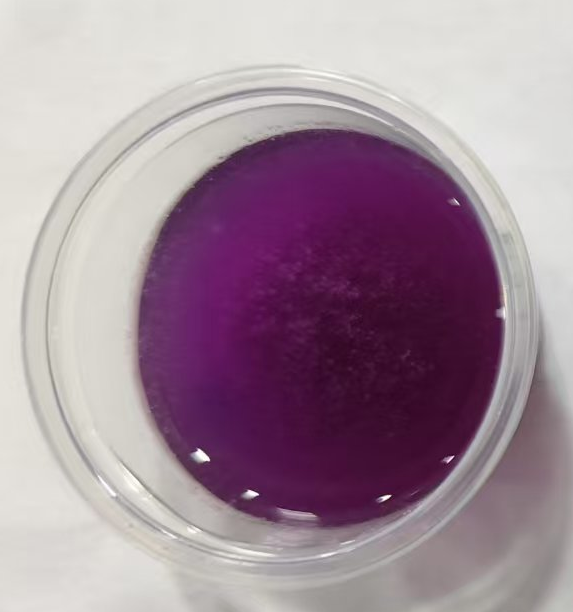 |
80-mesh pass | 7.4% | 0.60 | Good | Purplish red (purple-tinged) |  |
| Low Pesticide Residue | 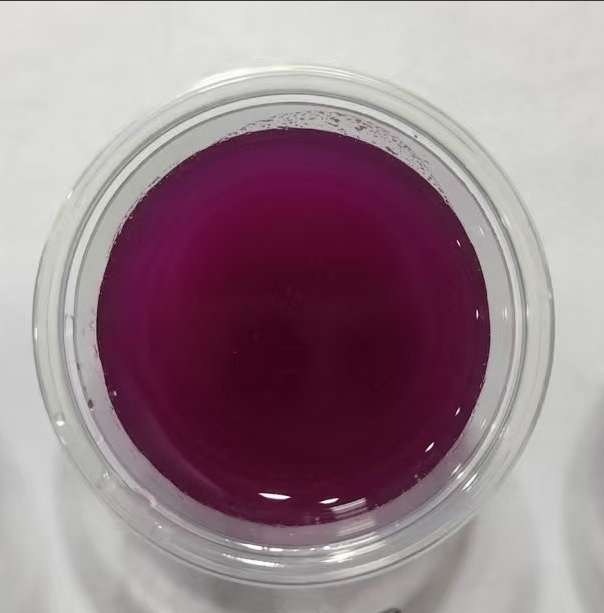 |
80-mesh pass | 7.8% | 0.59 | Good | Purplish red (red-tinged) | |
| Organic | 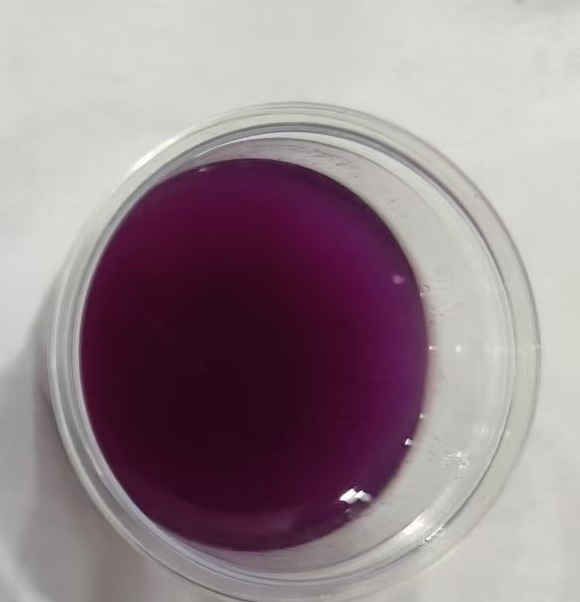 |
80-mesh pass | 7.7% | 0.57 | Good | Purplish red (red-tinged) | |
How Can Buyers Identify High-Quality Ube Powder?
Color Uniformity
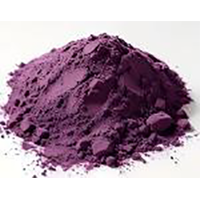
Consistent natural purple appearance.
Aroma
Fresh, clean, mildly sweet.
Moisture

Lower moisture generally improves shelf life.
Particle Size

Fine, uniform powder disperses better.
Manufacturing
Process

Low-temperature drying preserves more color and flavor.
Food Safety

Complete quality documentation and strict production control.
FAQ
Q1 Will Ube Powder Dissolve Completely?
No. Because it contains natural starch and fiber, it forms a suspension rather than a completely clear solution. This is expected and suitable for many beverage and dessert applications.
Q2 Can It Replace Purple Sweet Potato Powder?
Sometimes. Although both provide natural purple color, they differ in flavor, starch content, and pigment composition. Product trials are recommended before switching ingredients.
Q3 Is It Suitable for Vegan Products?
Yes. Pure ube powder is plant-based and naturally suitable for vegan and vegetarian formulations.
Q4 Does It Contain Gluten?
Purple yam itself is naturally gluten-free. However, manufacturers should verify processing conditions to avoid cross-contamination if gluten-free certification is required.
Q5 Can It Be Used in Organic Products?
If sourced from certified organic farms and processed according to organic regulations, organic purple yam ube powder can be used in certified organic food products.
Final Thoughts
Ube powder is a natural, plant-based ingredient made from real purple yam. Its attractive purple color comes from naturally occurring anthocyanins—not synthetic dyes or artificial pigments. It offers natural color, mild flavor, texture, and nutrition, making it perfect for clean-label products that meet today’s consumer expectations.