+86-29-87300696




What Does Spirulina Powder Taste Like?
Is Spirulina Bitter?
Bitterness is a natural part of spirulina’s flavor profile and is generally more noticeable when the powder is used at a higher concentration.
The level of bitterness in a finished product can vary depending on:
- Spirulina concentration
- Overall formulation
- Particle size
- Processing conditions
- Other ingredients
- Sweetness and acidity
- Flavoring or masking systems
- Product format
Does Spirulina Taste Like Seaweed?
Spirulina is often compared with seaweed because both can have a green, marine, or aquatic character.
However, spirulina does not simply taste like the seaweed commonly used in sushi.
The flavor of spirulina is more commonly described as earthy, green, savory, and slightly marine, with bitterness becoming more noticeable at higher concentrations.
This distinction matters when developing products containing spirulina powder. A formulation designed around spirulina should account for its natural sensory profile rather than treating it as a neutral green powder.
Why Does Spirulina Have Such a Strong Taste?
Spirulina’s distinctive flavor is related to its natural composition and volatile compounds.
Research published in Trends in Food Science & Technology identifies volatile compounds as important contributors to spirulina’s characteristic aroma. The study also links umami and bitter taste perceptions to its amino acid profile and notes that processing and formulation can affect the final flavor profile.
As a result, two spirulina powders can have noticeably different sensory characteristics, even when they are sold under the same general ingredient name.
What Affects the Taste of Spirulina Powder?
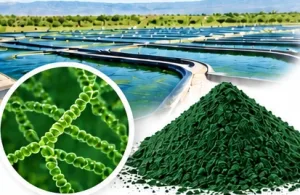
1. Raw Material and Cultivation
The raw material and cultivation conditions can affect the color, aroma, and flavor of spirulina powder.
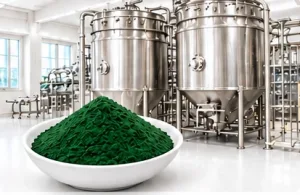
2. Drying and Processing
Factors such as drying conditions, processing time, and other production parameters may influence the compounds responsible for its aroma and flavor.
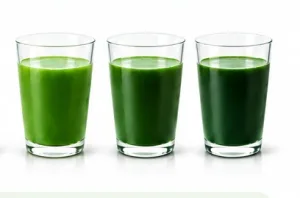
3. Powder Concentration
The amount of spirulina used in a formulation directly affects how noticeable its flavor is.
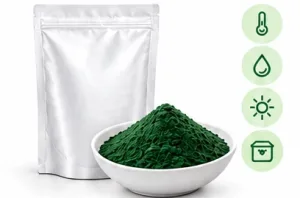
4. Storage and Handling
Storage conditions can also affect the sensory quality of spirulina powder.
Does Organic Spirulina Powder Taste Different?
Organic spirulina powder generally has the same characteristic flavor profile as conventional spirulina, with earthy, green, savory, marine, and slightly bitter notes.
Organic certification does not mean that the powder will have a sweeter or milder taste.
Flavor is influenced by the raw material, cultivation conditions, and production processes rather than its organic status alone.
When sourcing organic spirulina powder, buyers should review both:
- Organic certification and supporting documentation
- The actual sensory characteristics of the powder
Why Choose Us?

1. Direct Manufacturing Supply
We supply spirulina powder directly from our manufacturing operations, with clear communication on product specifications, production requirements, and order details.

2. Consistent Batch Quality
We follow defined production and quality-control procedures to maintain consistent product characteristics across batches and support reliable long-term supply.

3. Quality Testing & Documentation
We provide product specifications, COA, and relevant quality documentation based on the product requirements and destination market.

4. Flexible Packaging & Customization
We support different packaging and product requirements, including bulk packaging, private label, and customized specifications where applicable.

5. Bulk Supply Capacity
We support larger-volume purchasing programs with production planning based on order quantity, packaging requirements, and delivery schedules.

6. Export & Delivery Support
We work with international buyers on export documentation, packaging, shipping arrangements, and delivery schedules from order confirmation through shipment.
FAQ
Q1. What does spirulina taste like?
A1. Spirulina generally has an earthy, green, savory, and slightly marine taste, with mild to noticeable bitterness depending on the product and concentration.
Q2. Does spirulina taste like fish?
A2. Not exactly. Spirulina can have a marine or aquatic character, but its flavor is more commonly described as earthy, green, savory, and slightly bitter.
Q3. Is spirulina powder bitter?
A3. It can be. Bitterness is one of the characteristic sensory properties associated with spirulina, particularly when the powder is consumed at a higher concentration.
Q4. Does organic spirulina powder taste better?
A4. Not necessarily. Organic certification does not automatically indicate a milder or better-tasting spirulina powder. Sensory characteristics depend on the raw material and production process.
Q5. How can you make spirulina taste better?
A5. Spirulina can be incorporated into formulations with fruit flavors, sweeteners, creamy bases, or other ingredients that balance its earthy, savory, and bitter characteristics.
Q6. Does spirulina powder have a strong smell?
A6. It can have a distinctive green, earthy, or marine aroma. Aroma intensity varies between products and processing conditions.
Q7. Why does my spirulina taste different from another brand?
A7. Differences in raw material, cultivation, processing, drying, storage, and formulation can affect the final sensory profile.
Final Takeaway: What Does Spirulina Taste Like?
Spirulina has a naturally earthy, green, savory, and slightly marine flavor. Its bitterness becomes more noticeable as the concentration increases.
The flavor of a finished product depends on the spirulina powder itself, processing conditions, inclusion level, and the other ingredients in the formulation.
If you are sourcing spirulina powder for commercial production, test the sample in your intended application before placing a larger order. This gives your product development and purchasing teams a clearer picture of the ingredient’s flavor, aroma, and overall performance.
For spirulina wholesale or bulk spirulina requirements, send us your product specifications and purchasing details.
Request Spirulina Powder Samples or Bulk Supply Information
Please provide:
- Required specification
- Application
- Estimated order quantity
- Organic or conventional requirement
- Packaging requirements
- Destination market
- Documentation requirements
- Target delivery schedule
We will review the requirements and provide the relevant product specifications, sample information, and supply details.
Sources
- U.S. Food & Drug Administration — Blue-Green Algae Products and Microcystins
- Trends in Food Science & Technology — “Cracking Spirulina flavor: Compounds, sensory evaluations, and solutions”
- U.S. Food & Drug Administration — Food Chemical Safety and Contaminant Controls