 +86-29-87300696
 info@botanicalsuppliers.com




 EN
EN CN
CN RU
RUL-ergothioneine has been proposed as a potential longevity vitamin, highlighting its role as a powerful antioxidant that operates within cells to counteract oxidative stress.
Although primarily synthesised in mushrooms, fungi, and soil bacteria, ergothioneine is found in almost all human cells due to the presence of a highly specific transporter. Despite being externally sourced, its widespread distribution in the body suggests its importance in promoting human health.
Studies have shown that ergothioneine can preserve telomere length and slow down telomere shortening under conditions of oxidative stress, indicating the potential benefits of ergothioneine for healthy ageing. Furthermore, emerging research suggests possible advantages for cognitive function, immune system support, prostate health, and cardiovascular well-being.
Over the past decade, ergothioneine, a naturally occurring sulfur-modified amino acid, has attracted much interest as a potential therapeutic compound. According to published scientific evidence, ergothioneine possesses a strong antioxidant and anti-inflammatory capacity.
These virtues lead the scientific community to study its action on cardiovascular diseases, chronic inflammatory diseases, neuronal damage, cellular ageing and even cancer. It is said to be so important that some even consider it a vitamin!
Moreover, ergothioneine is not synthesised by humans, even though it is widely present in the tissues of plants and animals. It turns out that mushrooms are the richest food source.

What is Ergothioneine?
L-ergothioneine, an amino acid comprising histidine and a sulfur atom, was first identified by French pharmacist Charles Tanret in rye ergot (Claviceps purpurea) in 1909. Primarily recognised for its antioxidative and cytoprotective properties against oxidative stress, ergothioneine also exhibits anti-inflammatory and detoxifying effects.
Given that only select microorganisms possess the capability to synthesise ergothioneine, it is acquired through dietary sources. Upon ingestion, ergothioneine is absorbed in the gastrointestinal tract and distributed to various organs, boasting good bioavailability.
Ergothioneine demonstrates a propensity to accumulate in nearly all cells and tissues, with heightened concentrations observed in those subjected to oxidative stress and injury. Particularly found in erythrocytes, spleen, liver, and ocular tissues, its levels diminish with advancing age, particularly beyond 60 years of age.

How Ergothioneine Work?
Ergothioneine works by acting as a powerful antioxidant that neutralizes harmful molecules like free radicals and reactive oxygen species (ROS). It achieves this through several mechanisms, including scavenging free radicals, protecting cellular components from oxidation, chelating metal ions that can cause damage, and boosting the body’s natural antioxidant defense systems. A specific transporter protein, OCTN1, allows the body to accumulate ergothioneine in tissues where it is needed most, such as in the mitochondria.
Primary mechanisms of action:
- Scavenges free radicals: Ergothioneine directly neutralizes a variety of damaging free radicals, such as hydroxyl radicals (OH), superoxide(O₂⁻), and singlet oxygen (¹O₂).
- Protects against oxidation: It shields vital cellular components, including DNA, proteins, and lipids, from oxidative damage that can lead to cell dysfunction and death.
- Chelates metal ions: It can bind to metal ions like iron and copper, which prevents them from catalyzing reactions that generate harmful free radicals.
- Enhances antioxidant networks: Ergothioneine can support the body’s own antioxidant systems, like promoting the regeneration of glutathione.
- Targets specific tissues: Ergothioneine is transported into cells and concentrated in places like the mitochondria by the OCTN1 transporter, allowing it to specifically protect these critical organelles from damage.
- Anti-inflammatory effects: It can reduce inflammatory responses by inhibiting signaling pathways that trigger inflammation, such as the NF-κB pathway.
Where is Ergothioneine found?
The amount of L-Ergothioneine varies significantly across different foods. While some contain only small traces, mushrooms stand out as particularly rich sources. Unlike plants and animals, mushrooms can naturally produce L-Ergothioneine themselves, making species such as porcini, shiitake, and oyster mushrooms especially good dietary sources.
It is also present in fermented foods like tempeh and in smaller amounts in certain vegetables, including garlic and asparagus. Furthermore, studies show that L-Ergothioneine can also be found in human, cow, and goat milk, as well as infant formula.
A recent study from 2023 analyzed various mushrooms worldwide to measure their L-Ergothioneine content. Using advanced and precise methods, they found that the concentration can vary greatly depending on species, cultivation methods, and soil quality, with some mushrooms containing extremely high levels.
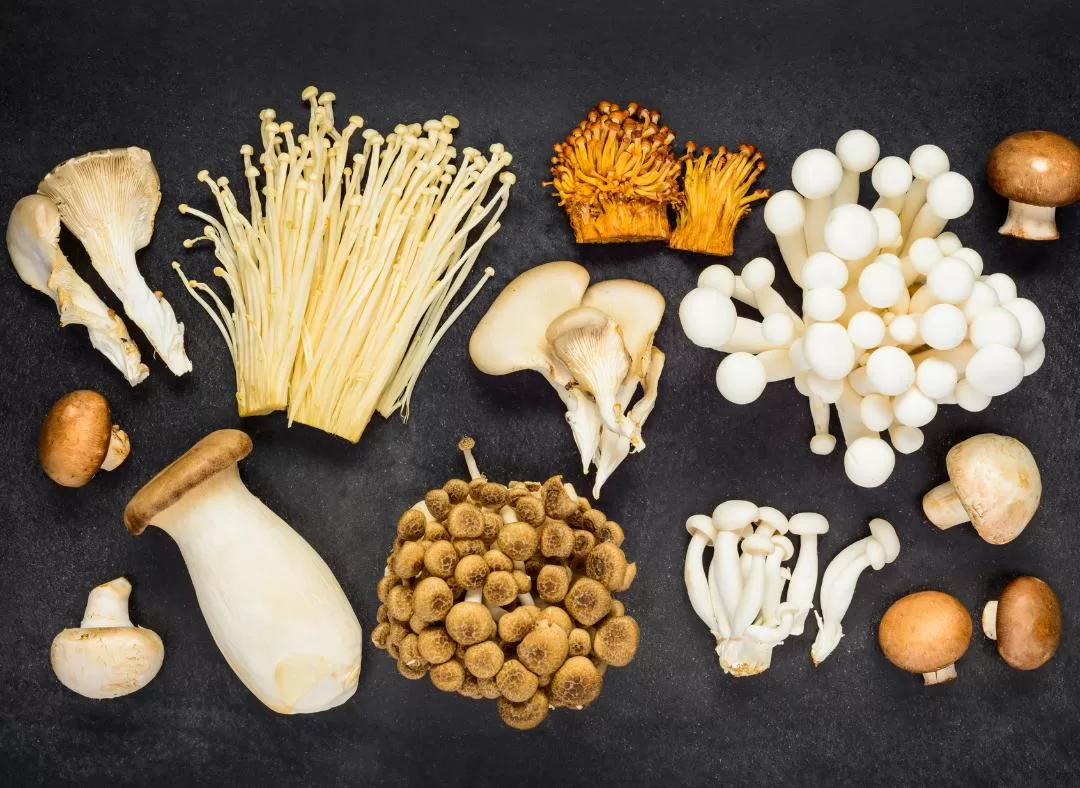
Here’s a rundown of some of the top dietary sources:
- Mushrooms: Certain varieties of mushrooms, such as shiitake, oyster, and porcini, are particularly rich in ergothioneine.
- Meat: Ergothioneine can also be found in small amounts in meat, with pork and beef being the most notable sources.
- Seafood: Some types of seafood, including shellfish like mussels and oysters, contain ergothioneine.
- Grains: Whole grains like oats and wheat are also sources of ergothioneine, although in smaller amounts compared to mushrooms and meat.
- Beans: Legumes like kidney beans and black beans contain modest amounts of ergothioneine, making them a good option for vegetarians and vegans.
- Garlic and onions: Garlic and onions are flavorful and contain ergothioneine, offering added health benefits.
What are the health benefits of ergothioneine?
1. Anti-aging
Ergothioneine is your weapon against aging. It fights damage in your body caused by getting older, helping to keep your skin soft, your joints flexible, and your energy levels up.
Here’s how ergothioneine can help you stay youthful:
- Promotes skin health: By combating oxidative stress, ergothioneine helps maintain youthful skin, reducing the appearance of wrinkles and promoting a radiant complexion .
- Supports joint function: Ergothioneine’s anti-inflammatory properties help keep your joints flexible and pain-free, allowing you to stay active and mobile as you age.
- Boosts energy levels: By protecting against cellular damage, ergothioneine ensures that your body’s energy-producing mechanisms stay efficient, keeping you feeling energetic and youthful.

2. Serves as an antioxidant
Ergothioneine is beneficial for the body, protecting it from oxidative stress. It acts as a shield, defending your cells against harmful free radicals that can damage them and make you age faster.
Found abundantly in certain foods like mushrooms, ergothioneine works tirelessly to keep your cells safe and your body thriving. But its benefits don’t stop there.
Let’s break it down:
- Neutralizes free radicals: Ergothioneine neutralizes harmful free radicals and protects your cells from oxidative damage.
- Prevents premature ageing: By combating oxidative stress, ergothioneine helps to keep your skin youthful, your joints supple, and your energy levels high.
- Supports heart health: With its antioxidant properties, ergothioneine may help reduce the risk of heart disease by protecting against oxidative damage to blood vessels.
3. Soothes inflammation
Ergothioneine functions as your body’s calming salve when it comes to inflammation. It is a supplement that can help you feel your best, whether you’re suffering from a sensitive stomach, achy joints, or even skin irritation.
Here’s how ergothioneine works:
- Calms inflammation: Ergothioneine’s anti-inflammatory properties help to reduce swelling and discomfort, providing relief from conditions like arthritis and inflammatory bowel disease.
- Promotes healing: By soothing inflammation, ergothioneine supports the body’s natural healing processes, allowing tissues to repair and regenerate more effectively.
- Protect against chronic disease: Chronic inflammation is linked to a host of serious health issues, including heart disease. Ergothioneine’s ability to soothe inflammation may help reduce the risk of these conditions and support overall well-being.
4. Boosts brain health
Ergothioneine helps keep the brain sharp. Imagine it like a shield, preventing harm to your nerve cells and promoting normal brain activity.
Studies indicate that when taken as a supplement, ergothioneine can stop brain cells from dying due to harmful substances, lessen clumps of protein in the brain, lower stress caused by oxygen, and help the brain use sugar better.
Also, having low levels of ergothioneine in the blood has been linked to worse memory and thinking skills and faster brain function decline. This shows that ergothioneine is important for keeping your brain healthy and working well.
Eatables high in ergothioneine, like mushrooms, can help keep your brain functioning at peak efficiency, whether you’re cramming for an exam or simply attempting to keep your place.
Here’s how:
- Protects nerve cells: Ergothioneine helps shield nerve cells from oxidative damage, reducing the risk of cognitive decline and neurodegenerative diseases.
- Supports memory: By supporting healthy brain function, ergothioneine may improve memory retention and recall, helping you stay sharp and focused.
- Enhances cognitive function: From problem-solving to decision-making, ergothioneine supports a wide range of cognitive abilities, allowing you to perform at your best in all aspects of life.

5. Supports the immune system
Ergothioneine is like a supportive friend, cheering on your immune system from the sidelines. Think of it as a booster shot, giving your body the extra support it needs to fend off harmful invaders and stay healthy.
Foods high in ergothioneine, such as mushrooms, can support your body’s natural defenses, whether you’re fighting off a cold or simply trying to stay healthy throughout flu season. Here’s how it works:
- Enhances immune response: Ergothioneine boosts the activity of immune cells, helping your body mount a strong defense against infections and illnesses.
- Protects immune cells: By reducing oxidative stress, ergothioneine helps protect immune cells from damage, ensuring they can function effectively .
- Supports overall health: A strong immune system is essential for overall health and well-being, and ergothioneine plays a key role in keeping it in top condition.
6. Fights chronic disease
Think of ergothioneine as your body’s protector, always on the lookout for dangers. It acts like a shield, guarding your cells from harm and keeping them strong.
Whether it’s toxins or other harmful things, ergothioneine jumps in to stop them and keep your cells safe.
Here’s how ergothioneine helps:
- Inhibits abnormal cell growth: Ergothioneine has been shown to inhibit the growth of abnormal cells, preventing them from spreading and causing harm.
- Protects DNA: By shielding your DNA from damage, ergothioneine reduces the risk of mutations that can lead to abnormal cell growth.
- Supports cellular health: Ergothioneine’s antioxidant properties help maintain the health and integrity of your cells, ensuring they function optimally and reducing the risk of abnormalities.
7. Supports eye health
As a reliable ally, ergothioneine is constantly willing to assist, shielding your eyes from the damaging effects of oxidative damage while maintaining bright, clear vision.
Ergothioneine-rich meals like mushrooms can help keep your eyes healthy for years to come, whether you spend your days in the sun or staring at screens.
Here’s how:
- Prevents oxidative damage: Ergothioneine’s antioxidant properties help shield your eyes from damage caused by free radicals, reducing the risk of conditions like cataracts and macular degeneration.
- Supports eye function: By promoting overall eye health, ergothioneine ensures that your vision stays sharp and clear, even as you age.
- Reduces eye strain: Whether you’re working long hours or enjoying a day in the sun, ergothioneine can help reduce eye strain and fatigue, keeping your eyes comfortable and refreshed.

Conclusion
Ergothioneine is truly a powerhouse of health benefits, offering a wide range of advantages for your body and well-being.
From its antioxidant properties to its ability to support brain health and immunity, ergothioneine is vital in keeping you healthy and thriving.
Ergothioneine emerges as a promising dietary nutrient in the fight against age-related diseases, including neurodegenerative conditions, chronic inflammation, cardiovascular issues, and diabetes.
Dubbed as one of the “longevity vitamins” for its anti-ageing properties, ergothioneine’s biosynthesis has garnered significant interest.
With its potential to promote longevity and healthy ageing, further research is warranted to fully grasp its molecular mechanisms and therapeutic benefits in addressing age-related ailments.