 +86-29-87300696
 info@botanicalsuppliers.com




 EN
EN CN
CN RU
RUWhat kind of nutrients are present in spirulina powder?
March 26
As someone deeply involved in the health and wellness industry, I often get asked: “What makes Spirulina powder so special?” Spirulina, a type of blue-green algae, has earned the title of a “superfood” thanks to its incredible nutritional density. It’s considered one of the most nutrient-rich natural foods on Earth.
Globally, Spirulina’s popularity is soaring. According to market research, the global Spirulina market is projected to surpass $1 billion by 2030, with a compound annual growth rate (CAGR) of around 8–10%. This growth is primarily driven by its applications in dietary supplements, functional foods, and plant-based protein products.
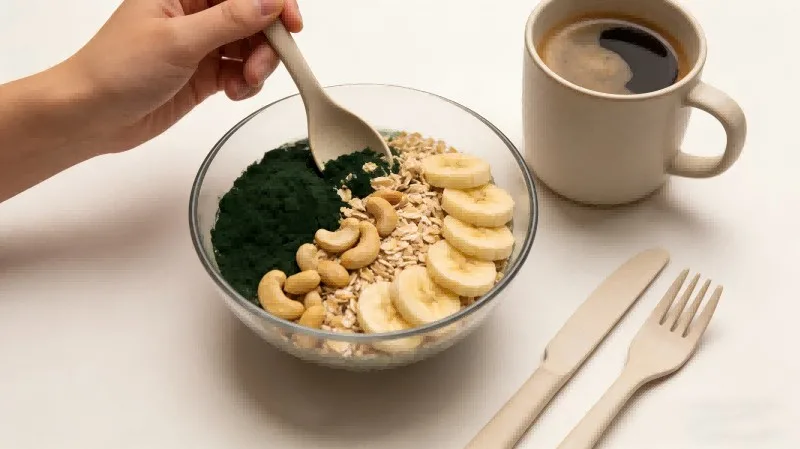
So, what makes Spirulina powder stand out? Its core value lies in its comprehensive nutrient profile, which we’ll explore in detail below.
Core Nutritional Components of Spirulina Powder
1. High Protein Content: A Protein Powerhouse
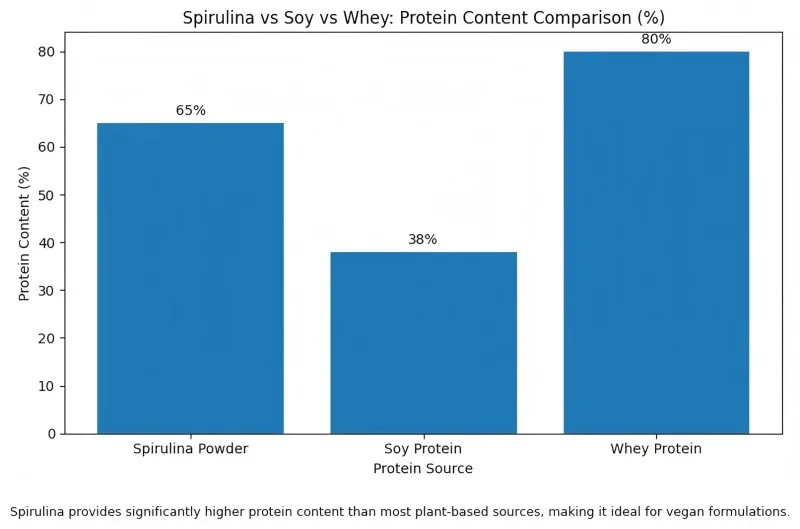
Spirulina is incredibly rich in protein, making up 60%–70% of its dry weight. What’s more, it contains all eight essential amino acids required by the human body, making it a complete protein source.
To put it in perspective:
- Spirulina protein content: 60–70%
- Soy protein: ~36–40%
- Whey protein concentrate: ~80%, but derived from animal sources
Different from many plant proteins, Spirulina’s proteins are highly digestible, which makes it ideal for plant-based product development such as protein powders, energy bars, and beverages.
2. Vitamins: A Broad Spectrum for Energy and Wellness
Spirulina is packed with vitamins that support energy metabolism, nervous system function, and antioxidant defense. Some of the key vitamins include:
Vitamin B1 (Thiamine), B2 (Riboflavin), B3 (Niacin), B12 (although B12 in Spirulina is somewhat debated for human bioavailability)
Vitamin E – a natural antioxidant
β-carotene – a precursor to Vitamin A, supporting vision and immune function
These vitamins contribute not only to general wellness but also to specific functional benefits, such as improving fatigue, supporting metabolism, and aiding cellular health.
3. Minerals: Essential Micronutrients
Spirulina is also rich in minerals, often in forms more easily absorbed by the body compared to plant sources:
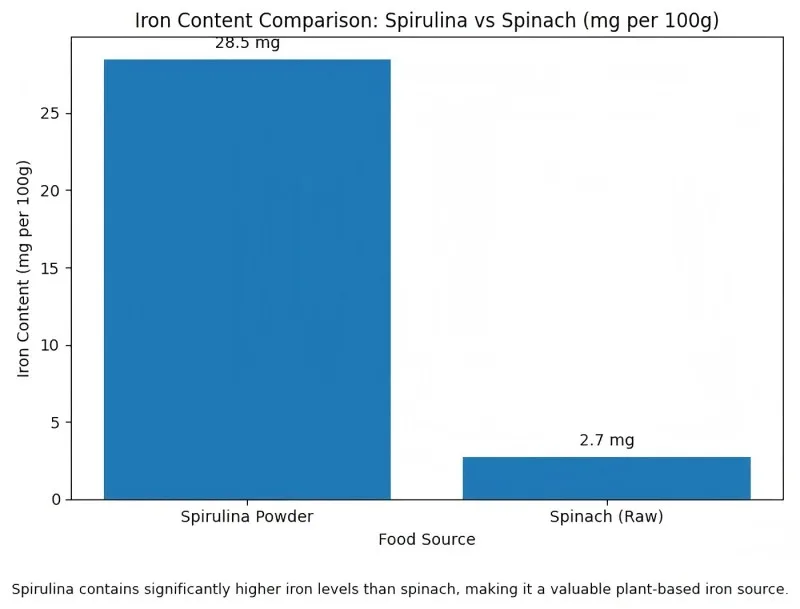
Iron: Spirulina contains ~28.5 mg per 100 g dry weight, significantly higher than spinach (~2.7 mg per 100 g)
Magnesium, Potassium, Calcium, Zinc – all present in meaningful amounts
These minerals support hemoglobin synthesis, muscle function, nerve transmission, and bone health.
4. Powerful Antioxidants
One of Spirulina’s most compelling features is its antioxidant capacity, mainly thanks to phycocyanin, the pigment responsible for its distinctive blue-green color. Phycocyanin has been shown to:
- Scavenge free radicals
- Reduce inflammation
- Support immune function
In addition to phycocyanin, Spirulina contains polyphenols and β-carotene, enhancing its antioxidative potential. This makes it a favorite ingredient in functional beverages and anti-aging supplements.
5. Essential Fatty Acids
Although Spirulina is not primarily a fat source, it contains γ-linolenic acid (GLA), an Omega-6 fatty acid known for:
- Supporting heart health
- Reducing inflammation
- Contributing to healthy skin
This combination of protein, vitamins, minerals, antioxidants, and essential fatty acids makes Spirulina truly a “complete nutrition” powder.
Why Spirulina Powder is More Popular than Other Superfoods
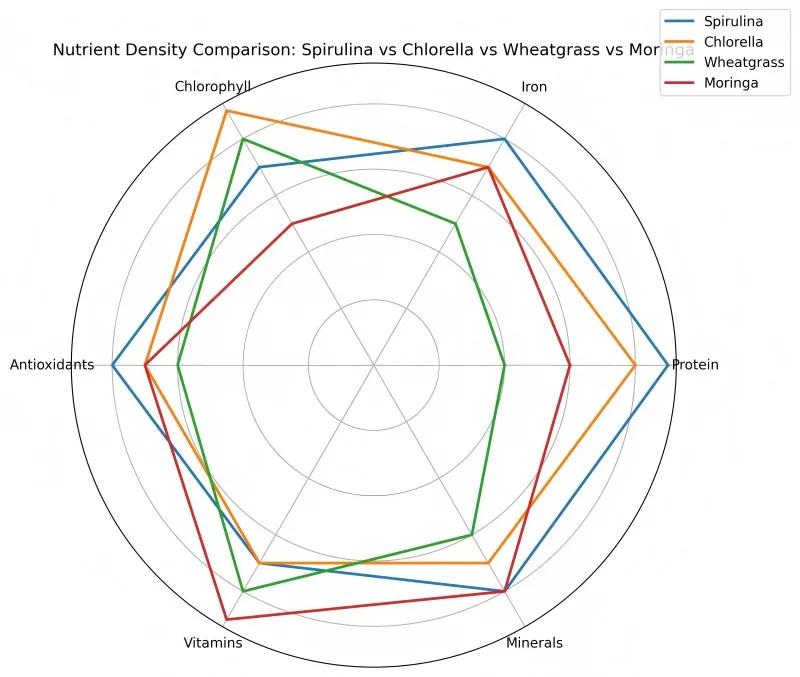
Spirulina stands out due to its nutrient density and sustainability. A small serving provides multiple vitamins, minerals, and bioactive compounds that would require larger amounts of other foods.
Comparisons with other superfoods:
- Chlorella: Slightly lower protein content
- Wheatgrass: Lower overall mineral content
- Moringa: Rich in some vitamins but less protein
Global Market Trends and Business Opportunities
1. Market Analysis
The global Spirulina market continues to expand, with key drivers including increased health awareness, plant-based diets, and functional food demand. Main regional markets:
- North America: Dietary supplements (capsules, tablets)
- Europe: Organic foods, wellness products
- Asia-Pacific: Functional beverages and plant-based protein products
2. Application Growth
Spirulina is increasingly used in:
- Dietary Supplements: Capsules, tablets, powders
- Functional Foods: Energy bars, smoothies, drinks
- Plant-Based Nutrition: Vegan protein formulations
3. Consumer Trends
Modern consumers are drawn to products that are:
- Clean Label – minimal processing, transparent sourcing
- Vegan / Plant-Based – aligning with sustainable diets
- Immunity & Wellness-Oriented – boosting overall health
- How to Choose High-Quality Spirulina Powder
- When sourcing Spirulina powder, certain quality indicators are crucial:
- Phycocyanin content: ≥15% for functional efficacy
- Heavy metal testing: Lead, arsenic, mercury
- Microbiological standards: Total plate count, yeast & mold limits
- Appearance: Color, aroma, solubility
4. Common customer concerns:
- Low-quality Spirulina may be contaminated or adulterated
- Nutritional profiles differ depending on the country of origin (China, India, USA)
Why Choose Botanical Cube Inc. for Spirulina Powder
At Botanical Cube Inc., we pride ourselves on providing premium Spirulina powder with:
- Consistent high protein content ≥60%
- Customizable high phycocyanin specifications
- Rigorous quality control with COA and third-party testing
- Multiple certifications (ISO, HACCP)
- OEM/ODM services for formulation, packaging, and labeling
- Stable supply chain supporting bulk orders
Our goal is to help businesses develop innovative, health-focused products with confidence in ingredient quality.
Conclusion: The Future Value of Spirulina Powder
In short, Spirulina is not just another supplement—it’s a complete nutritional powerhouse, with protein, vitamins, minerals, antioxidants, and essential fatty acids all in one natural source. Its combination of comprehensive nutrition, functional benefits, and sustainable production makes it a top choice for the growing health and wellness market.
If you are interested in exploring bulk Spirulina powder or custom formulations, feel free to contact us at info@botanicalsuppliers.com. Let’s discuss how Spirulina can enhance your products and meet the growing consumer demand for clean, plant-based nutrition.
References
[1] Grand View Research. Spirulina Market Size, Share & Trends Analysis Report By Product (Powder, Tablet), By Application (Food & Beverage, Nutraceuticals), By Region, And Segment Forecasts, 2023–2030.
[2] Belay, A. (2002). The Potential Application of Spirulina (Arthrospira) as a Nutritional and Therapeutic Supplement in Health Management. Journal of the American Nutraceutical Association, 5(2), 27–48.
[3] United States Department of Agriculture (USDA). FoodData Central: Spirulina, dried.
Available at: https://fdc.nal.usda.gov
[4] Habib, M.A.B., Parvin, M., Huntington, T.C., & Hasan, M.R. (2008). A Review on Culture, Production and Use of Spirulina as Food for Humans and Feeds for Domestic Animals. FAO Fisheries and Aquaculture Circular No. 1034. Food and Agriculture Organization of the United Nations.
[5] United States Department of Agriculture (USDA). FoodData Central: Spinach, raw.
Available at: https://fdc.nal.usda.gov
[6] Romay, C., González, R., Ledón, N., Remirez, D., & Rimbau, V. (2003). C-Phycocyanin: A Biliprotein with Antioxidant, Anti-inflammatory and Neuroprotective Effects. Current Protein and Peptide Science, 4(3), 207–216.

Get in Touch
If you have any questions, please contact our experts, we are always ready to help you with individual formulations, private label solutions or any other requirements to kick-start your brand!