 +86-29-87300696
 info@botanicalsuppliers.com




 EN
EN CN
CN RU
RUNo ingredient has a hold on the skincare market quite like hyaluronic acid. These days, you’d be hard-pressed to find a product that doesn’t have it in its formulation. But what is hyaluronic acid exactly? And why is it so commonly used?
As the ingredient is known to “hold 1000 times its weight in water,” it’s many people’s go-to for dealing with our top skin concerns. From dryness to smoothing out the appearance of wrinkles, hyaluronic acid does a lot to keep our skin looking and feeling healthy.
Hyaluronic acid is a substance that occurs naturally in the body. Its primary function is to trap water inside tissue cells. People may use products containing hyaluronic acid to help with skin health and signs of aging.
Products that may contain hyaluronic acid include dietary supplements, eye drops, injections, and topical products, such as face creams or serums.
In this article, learn more about the uses and benefits of hyaluronic acid, as well as the possible side effects and risks.

What is hyaluronic acid?
Also known as Sodium Hyaluronate, Hyaluronic Acid is a naturally occurring polysaccharide (sugar) that’s present in skin as well as the connective tissue throughout our bodies. A single Hyaluronic Acid molecule can hold up to 1,000 times its own weight in water, which is gradually released into the skin – so it plays a crucial role in helping skin stay plump and hydrated.
Hyaluronic acid is a molecule that is naturally found in our joints, connective tissue, and skin. Depending on where it’s found in the body, it has different functions:
In the joints, it helps keep the space between your bones comfortable.
In connective tissue, it cushions living tissue cells and helps keep them hydrated.
In the skin, it acts as a hydrating agent and helps to give skin elasticity, keeping it looking healthy.
Thanks to its natural ability to bind to and retain water molecules, hyaluronic acid plays a major role in your body, particularly in the skin. This points to its recent popularity in skincare products.

Benefits of hyaluronic acid for the face and body
1. Promotes healthier, moisturised skin
Hyaluronic acid supplements can help your skin look and feel more supple.
Hyaluronic acid is a compound found naturally in the skin, where it binds to water to help retain moisture.
However, the natural aging process and exposure to things like ultraviolet radiation from the sun, tobacco smoke, and pollution can decrease its amounts in the skin.
Taking hyaluronic acid supplements may prevent this decline by giving your body extra amounts to incorporate into the skin.
According to one 2014 study, doses of 120–240 milligrams (mg) per day for at least 1 month have been shown to significantly increase skin moisture and reduce dry skin in adults.
Hydrated skin also reduces the appearance of wrinkles, which may explain why several studies show that supplementing with it can make skin appear smoother.
When applied to the surface of the skin, hyaluronic acid serums can reduce wrinkles, redness, and dermatitis.
Some dermatologists even inject hyaluronic acid fillers to keep skin looking firm and youthful.

2. Can speed wound healing
Hyaluronic acid also plays a key role in wound healing.
It’s naturally present in the skin, but its concentrations increase when there is damage in need of repair.
Hyaluronic acid helps wounds heal faster by regulating inflammation levels and signaling the body to build more blood vessels in the damaged area.
In some older studies, applying it to skin wounds has been shown to reduce the size of wounds and decrease pain faster than a placebo or no treatment at all.
Hyaluronic acid also has antibacterial properties, so it may help reduce the risk of infection when applied directly to open wounds.
What’s more, it’s effective at reducing gum disease, speeding up healing after tooth surgery, and eliminating ulcers when used topically in the mouth.
3. Relieve joint pain by keeping bones lubricated
Hyaluronic acid is also found in the joints, where it keeps the space between your bones lubricated.
When the joints are lubricated, the bones are less likely to grind against each other and cause uncomfortable pain.
Hyaluronic acid supplements are very helpful for people with osteoarthritis, a type of degenerative joint disease caused by wear and tear on the joints over time.
Taking 80–200 mg daily for at least 2 months has been shown to significantly reduce knee pain in people with osteoarthritis, especially those between the ages of 40 and 70 years old.
Hyaluronic acid can also be injected directly into the joints for pain relief. However, an analysis of over 21,000 adults found only a small reduction in pain and a greater risk of adverse effects.
Some research shows that pairing oral hyaluronic acid supplements with injections can help extend pain-relieving benefits and increase the amount of time between shots.
4. Preserve bone strength
New animal research has begun to investigate the effects of hyaluronic acid supplements on bone health.
Two older studies have found that hyaluronic acid supplements can help slow the rate of bone loss in rats with osteopenia, the beginning stage of bone loss that precedes osteoporosis.
Some older test-tube studies have also shown that high doses of hyaluronic acid can increase the activity of osteoblasts, the cells responsible for building new bone tissue.
While more high quality, recent research in humans is needed, early animal and test-tube studies are promising.
5. Soothe acid reflux symptoms
New research shows hyaluronic acid supplements may help reduce symptoms of acid reflux.
When acid reflux occurs, the contents of the stomach are regurgitated up into the throat, causing pain and damage to the lining of the esophagus.
Hyaluronic acid may help soothe the damaged lining of the esophagus and speed up the recovery process.
One 2012 test-tube study found that applying a mixture of hyaluronic acid and chondroitin sulfate to acid-damaged throat tissue helped it heal much faster than when no treatment was used (28Trusted Source).
Human studies have also shown benefits.
One study found that taking a hyaluronic acid and chondroitin sulfate supplement along with an acid-reducing medication decreased reflux symptoms 60% more than taking acid-reducing medication alone.
Another older study showed that the same type of supplement was five times more effective at reducing acid reflux symptoms than a placebo.
Research in this area is still relatively new, and more studies are needed to replicate these results. Nevertheless, these outcomes are promising.
6. Relieve dry eye and discomfort
Approximately 11% older adults experience symptoms of dry eye due to reduced tear production or tears evaporating too quickly.
Since hyaluronic acid is excellent at retaining moisture, it’s often used to treat dry eye.
Eye drops containing 0.2–0.4% hyaluronic acid have been shown to reduce dry eye symptoms and improve eye health.
Contact lenses that contain slow-release hyaluronic acid are also being developed as a possible treatment for dry eye.
In addition, hyaluronic acid eye drops are frequently used during eye surgery to reduce inflammation and speed wound healing.
While applying them directly to the eyes has been shown to reduce dry eye symptoms and improve overall eye health, it is unclear whether oral supplements have the same effects.
One small study in 24 people found that combining topical and oral hyaluronic acid was more effective at improving symptoms of dry eye than topical hyaluronic acid alone.
However, more large, high-quality studies are needed to understand the effects of oral hyaluronic acid supplements on eye health.

Side effects
As mentioned before, hyaluronic acid is considered a safe active (at most parts). However, there are a few accounts of hyaluronic acid serum side effects that one needs to be aware of before beginning its use:
Irritation and Allergic Reactions
When administered in high doses or following professional treatments such as hyaluronic acid fillers for skin, individuals may encounter a few side effects such as mild irritation and allergic reactions. While these allergic reactions to hyaluronic acid can manifest as redness, itching, bruising and swelling, they are extremely mild and may subside after a few days. That said, if you experience exacerbated symptoms such as pain, then it is essential to discontinue the usage of the product and consult a board-certified dermatologist.
Overuse and Dehydration Risks
Hyaluronic acid’s primary property rests on its ability to draw moisture from its surroundings. Thus it is quite commonly used on damp skin and followed by a hydrating moisturiser. When these criteria aren’t met with, especially in areas with low humidity, hyaluronic acid can potentially pull moisture from the place that it knows stores moisture: the deeper layers of the skin. Such a paradox can potentially lead to dehydration instead of alleviating it.
How to Use Hyaluronic Acid the Right Way?
The key to integrating hyaluronic acid into your skincare routine lies in choosing the appropriate application method based on your skin type and needs.
Here are the specific methods:
Basic Moisturizing Use
Direct Application
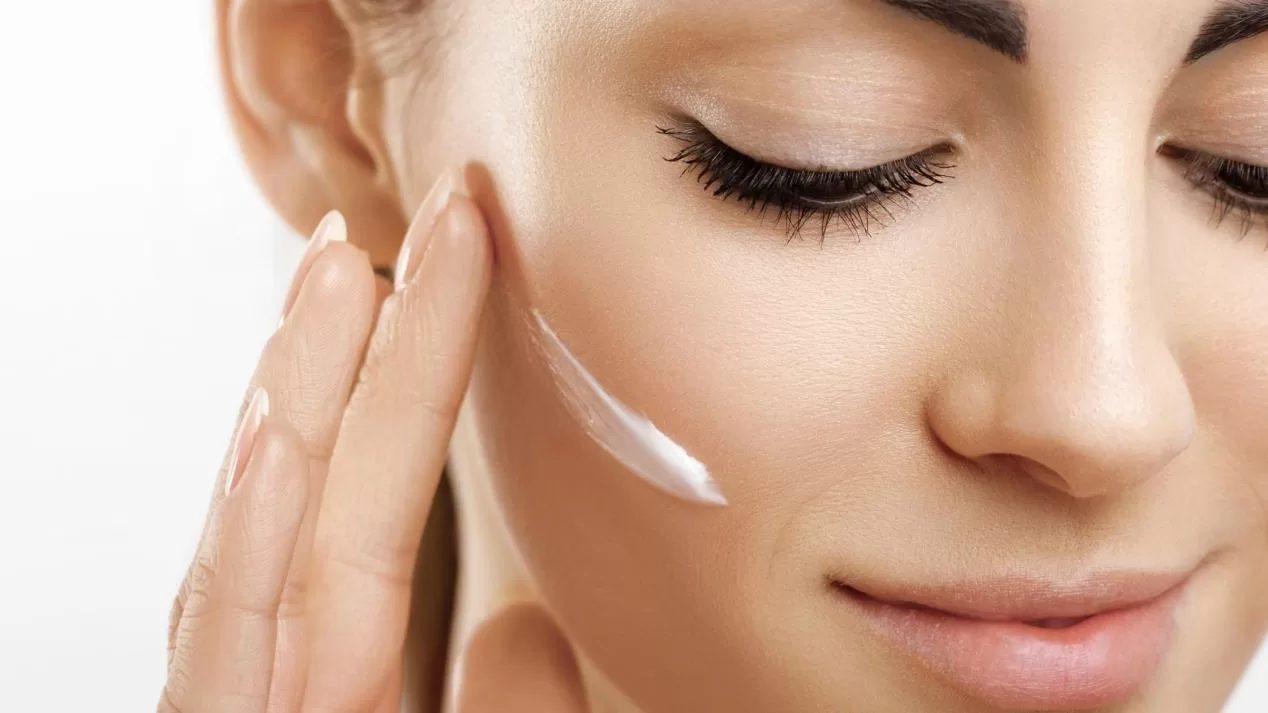
- After cleansing, take 1-2 drops of hyaluronic acid serum in your palm, apply evenly to your face, and massage until absorbed.
- Suitable for daily moisturizing. Immediately after application, follow with a lotion or cream to lock in moisture and prevent water loss.
Mixed with other skincare products
- Mix with serum or cream in a 1:3 ratio to enhance moisturising effects.
- Avoid mixing with products containing alcohol or acids. Sensitive skin should perform a patch test behind the ear first.
Deep Care Methods
Emergency Compress
- Soak cotton pads in hyaluronic acid serum and apply to dry areas for 5-10 minutes, 2-3 times per week.
- Suitable for seasonal peeling or pre-makeup emergency care. After application, wash off any remaining liquid and apply an occlusive cream.
Instrumental Application
- Use with an ultrasonic or microcurrent infusion device to increase absorption by 3-5 times.
- For sensitive skin, the energy intensity should be lowered, and each application should be limited to 3-5 minutes per area.
Special Needs Treatment
Medical Aesthetic Injections
- Performed by a professional physician, used to improve wrinkles or sculpt the face. Results last 6-12 months.
- Avoid contact with water for 24 hours after the procedure. Avoid saunas and strenuous exercise for two weeks.

Anti-aging Adjunctive Treatment
Continuous use of hyaluronic acid-containing products for four weeks can increase skin moisture content by 25%. The effect is enhanced when combined with collagen-rich foods (such as white fungus and pig’s trotters).
Summary
Hyaluronic acid is a naturally occurring substance that helps retain moisture in the skin and eyes and lubricates the joints. It also plays a crucial role in wound healing by controlling inflammation and redirecting blood flow to damaged tissue.
Hyaluronic acid levels decrease as people age, and this may contribute both to the physical signs of aging, such as wrinkles, and to age-related conditions, including osteoarthritis.
Although hyaluronic acid is present in numerous cosmetic and medical products, its effects can vary from person to person.