 +86-29-87300696
 info@botanicalsuppliers.com




 EN
EN CN
CN RU
RUMonk Fruit Extract vs Stevia: Taste, Cost & Formulation
February 27
If you manage beverages or functional foods, you know the challenge well. Consumers want zero sugar and natural ingredients, but they still expect a clean, pleasant taste. Stevia has long been the default choice because it is affordable and familiar, yet its metallic or licorice-like aftertaste has caused problems for many products.
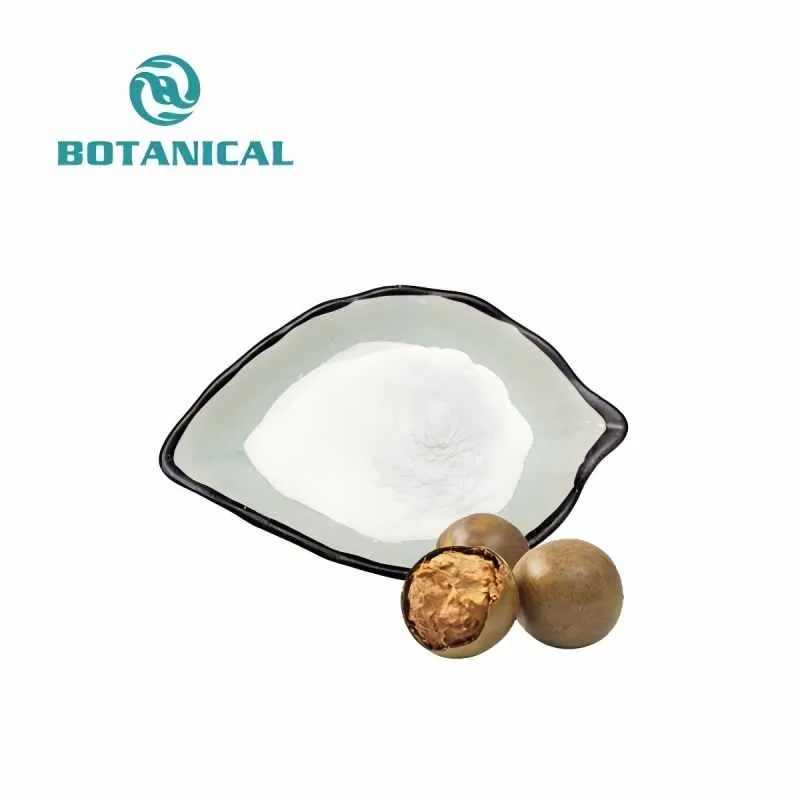
Monk Fruit is often seen as a cleaner-tasting alternative that comes closer to sugar, but questions around cost and scalability remain. This guide looks beyond marketing claims and focuses on how Monk Fruit and Stevia actually perform in real formulations, helping brands make practical decisions.
1. The Taste Profile
If flavor is your top priority, Monk Fruit usually wins in blind taste tests.
The Stevia Reality
Early generations of Stevia earned their reputation for a reason. The bitterness and lingering aftertaste were hard to ignore. While newer grades such as Reb M and Reb D have improved significantly, many formulations still need masking agents to cover that familiar “Stevia note.”
That often means a longer ingredient list and more time spent fine-tuning the formula.
Why Monk Fruit Tastes Different
Monk Fruit extract gets its sweetness from Mogrosides, especially Mogroside V. The sweetness builds a bit more gradually than sugar, but the finish is noticeably cleaner. There is no metallic edge and no licorice-like tail.
It works especially well in fruity, citrus-forward beverages, dairy products, and premium functional drinks where subtle flavor matters.
For products where the first sip determines whether consumers come back, Monk Fruit is often the safer sensory choice.
You can learn more about how Monk Fruit functions as a sweetener here:
2. Cost Matters but Context Matters More
Stevia benefits from a mature, industrial-scale supply chain. It is efficient, predictable, and cost-effective, which is why it is widely used in mass-market sodas, energy drinks, and confectionery where margins are tight.
Monk Fruit, by comparison, sits firmly in the premium category. It is grown in limited regions, primarily in China, and its extraction process is more complex, which is reflected in the raw material cost.
When Higher Cost Aligns With Product Value
Although Monk Fruit costs more per kilogram, it is also significantly sweeter. A 50 percent Mogroside V extract can be roughly 200 to 300 times sweeter than sugar, so the actual usage level in a formula is very small.
In higher-margin products such as functional beverages, supplements, or premium RTD teas retailing at four dollars or more, the cost impact per unit is often minimal. At the same time, brands benefit from a cleaner taste profile and a “sweetened with Monk Fruit” claim that many consumers associate with higher perceived quality.
3. Solubility and Processing Stability
From a manufacturing standpoint, both sweeteners are robust workhorses, but they behave differently when dissolved in the tank. While both can survive the heat, clarity is often the deciding factor for formulation.
Heat & pH Stability
Both Monk Fruit and Stevia are incredibly stable. They can withstand high-temperature pasteurization (HTST) and acidic environments (low pH) found in juices and carbonated drinks without breaking down.
Solubility
Stevia extracts are generally water-soluble, but high concentrations can sometimes pose clarity issues depending on the grade. Monk Fruit extract is highly water-soluble and typically produces a clear solution, making it ideal for transparent beverages (like vitamin waters) where sediment is a dealbreaker.
| Feature | Monk Fruit Extract (Mogrosides) | Stevia Extract (Steviol Glycosides) |
| Heat Stability | Excellent. Withstands high temperatures (HTST pasteurization, baking) without degrading. | Excellent. Stable up to 200°C; suitable for all thermal processing. |
| pH Stability | High. Remains stable in acidic environments (pH 2.0–6.0), ideal for fruit juices. | High. Very stable in low pH carbonated soft drinks and citric acid blends. |
| Water Solubility | High Solubility. Dissolves easily even in cold water. | Good to Moderate. Solubility varies by grade (Reb A vs. Reb M). High concentrations may require heating. |
| Solution Clarity | Crystal Clear. Produces a transparent solution with no sediment. | Potential Haze. Lower grades or high dosages can cause cloudiness or precipitation over time. |
| Best Application | Transparent Beverages (Vitamin waters, clear teas, electrolyte drinks). | Opaque Beverages (Dairy, protein shakes, dark colas) where clarity is less critical. |
The Bottom Line: If you are formulating a clear functional water or a ready-to-drink (RTD) tea, Monk Fruit is the safer technical choice to avoid “clouding” issues on the shelf.
4. Why Not Both?
Here is a strategy that savvy formulators use to balance cost and taste: The Blend.
You don’t always have to choose one. By blending Stevia and Monk Fruit, you can achieve a “synergistic effect.”
- Masking: A small amount of Monk Fruit can effectively mask the bitterness of Stevia.
- Cost Control: You reduce the overall cost by using Stevia as the bulk sweetener, while Monk Fruit rounds out the flavor profile.
- Sweetness Curve: Stevia hits the palate quickly and Monk Fruit lingers. Together, they create a sweetness curve that mimics real sugar (sucrose) more closely than either ingredient alone.
How to Choose Based on Your Product Goals
If you are building a cost-sensitive, mass-market product, Stevia remains a practical solution. If you are developing a premium beverage or supplement where flavor and label perception matter, Monk Fruit often delivers better results. And if you need both control and performance, a blend may be the most flexible option.
Your product is judged in the first sip. A clean sweetness builds trust. A bitter aftertaste breaks it.
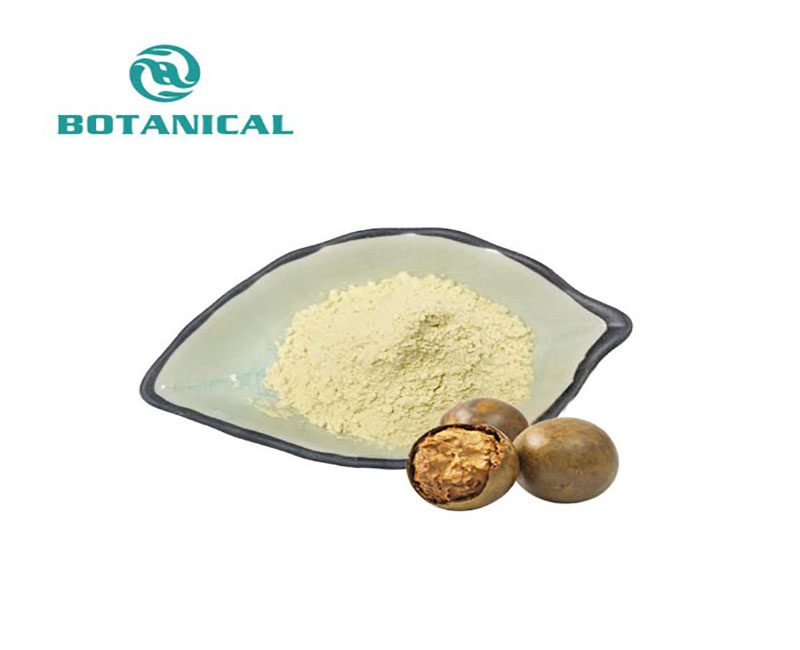
If you are exploring Monk Fruit solutions or looking to optimize a Stevia–Monk Fruit blend, Botanical Cube works with formulation teams to match sweetness profiles, cost targets, and processing requirements. Our Organic Monk Fruit Extract is available with technical support to help you get it right from the start. For formulation discussions or technical inquiries, you can reach us at info@botanicalsupplier.com.
Get in Touch
If you have any questions, please contact our experts, we are always ready to help you with individual formulations, private label solutions or any other requirements to kick-start your brand!