 +86-29-87300696
 info@botanicalsuppliers.com




 EN
EN CN
CN RU
RUMonk fruit extract, also called luo han guo fruit extract, is a recent addition to the sugar alternative market in the United States. Unlike some chemically based sugar alternatives, monk fruit extract is considered natural.
What is monk fruit?
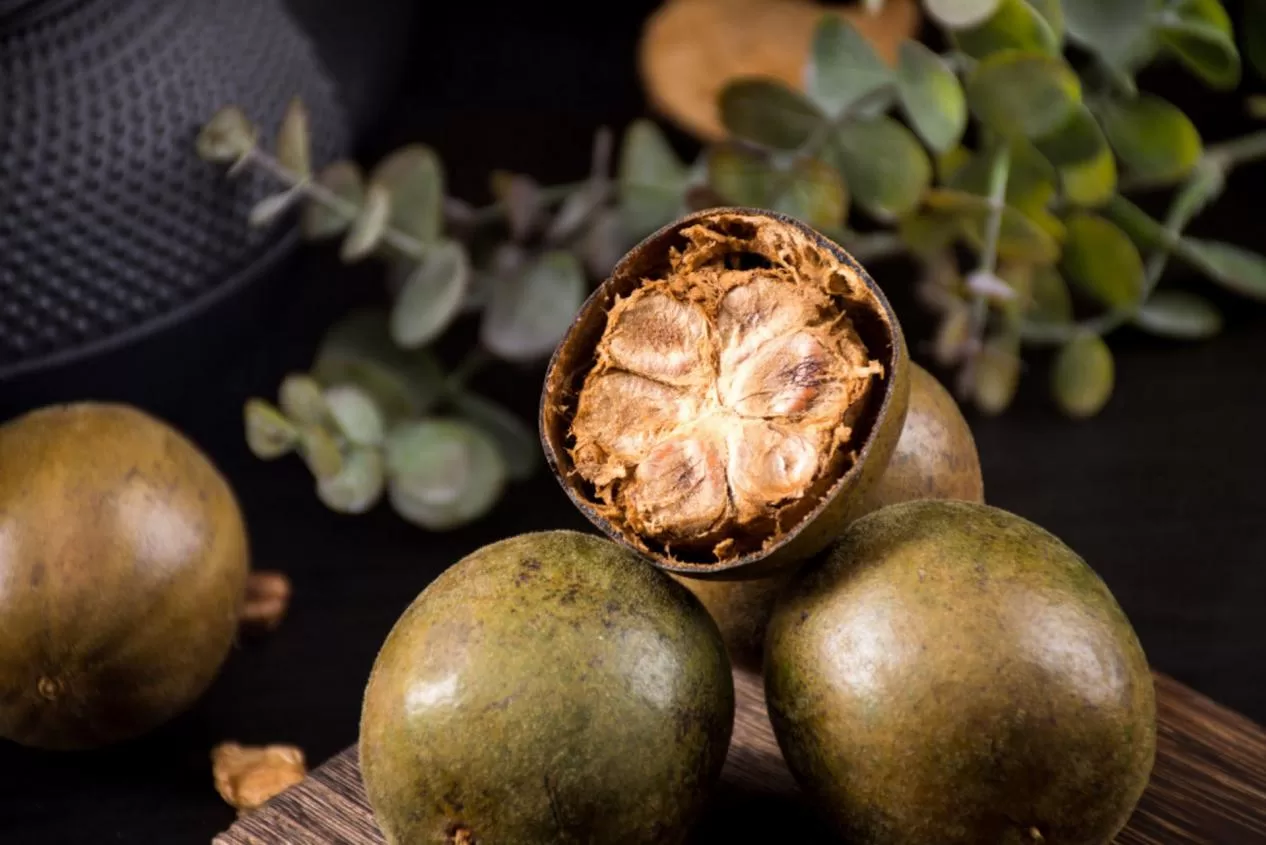
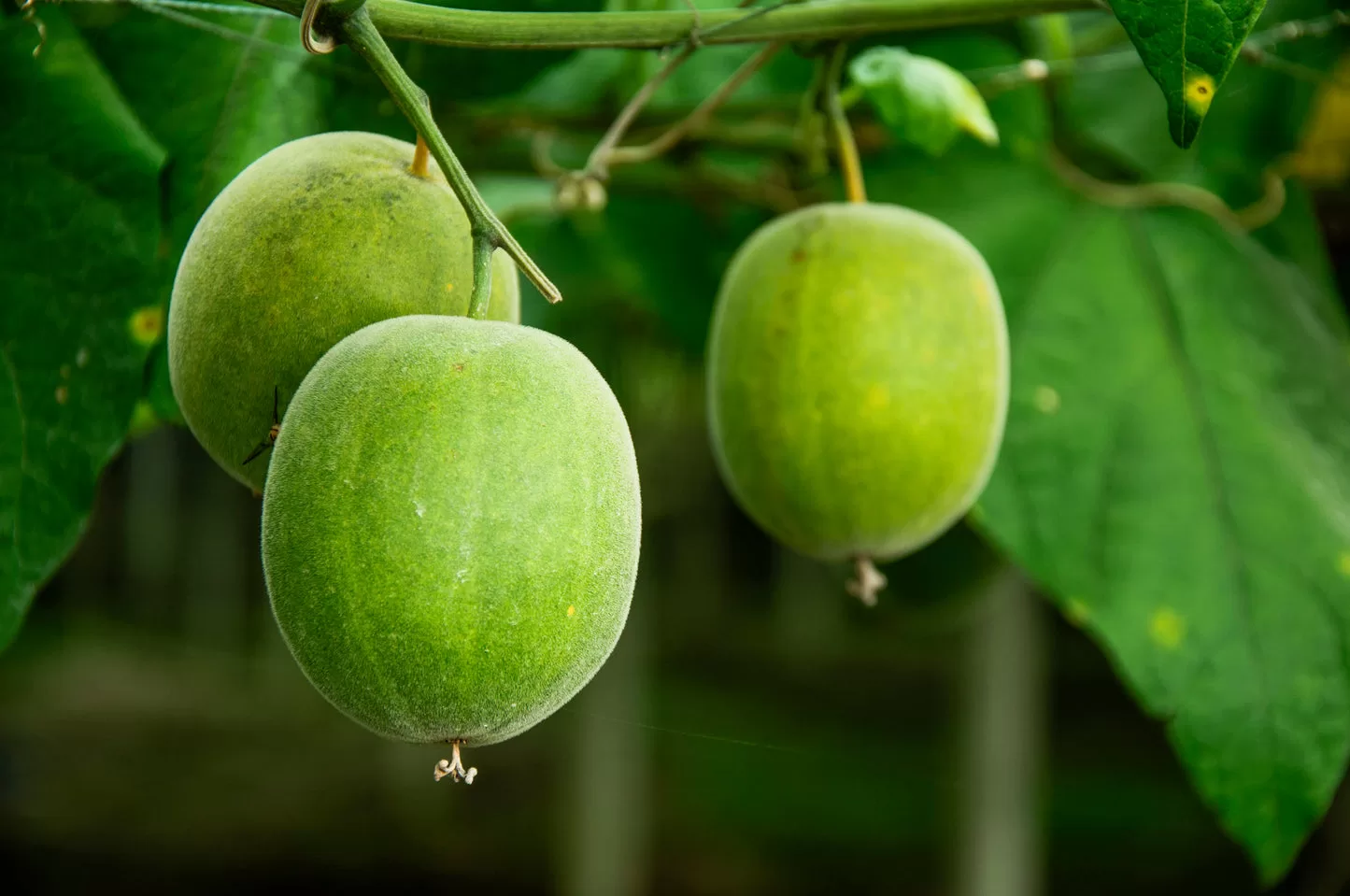
Monk fruit is a small, round fruit native to southern China. Monk fruit sweetener comes from the mogroside, which is the sweetest part of the fruit.
To make monk fruit sweetener, manufacturers crush the monk fruit, extract its juice and then extract its mogroside from the juice. Monk fruit mogrosides have a taste that’s over 100 times sweeter than sugar, but they have no calories.
Monk fruit extract can be used as a natural sweetener in food and beverages. The sweetness of monk fruit comes from mogrosides, a class of triterpenoid sweet glycosides, which are present in fresh fruit at a content of 0.55%–0.65% and in dried fruit at approximately 2.5%.
There are several different types of mogrosides, such as mogroside II, mogroside IVa, mogroside IV, and mogroside V. Among them, mogroside V is the main sweet component in monk fruit, with a content of 1.5%–2% in the dried fruit. Mogrosides are 200–300 times sweeter than sucrose, have almost zero calories, and have a pure sweetness without any bitter aftertaste or other off-flavors.
Like other no-calorie sweeteners, monk fruit sweeteners are intensely sweet. Monk fruit sweeteners range from being 100-250 times sweeter than sugar, and as such only small amounts are needed in a product to equal the sweetness provided by sugar. Monk fruit sweeteners can be used in a wide range of beverages and foods like soft drinks, juices, dairy products, desserts, candies and condiments.
Because they are stable at high temperatures, monk fruit sweeteners can be used in baked goods. However, a recipe that uses monk fruit sweeteners in place of sugar may turn out slightly different because in addition to sweetness, sugar plays several roles in recipes related to volume and texture, but this varies based on the type of recipe.
How Is Monk Fruit Extract Made?
Typically, monk fruit sweetener is made in a few steps. The fruit has to be prepared to be juiced, so it’s usually skinned and its seeds are removed (via Food Insight). After that, the fruit is crushed to release its juice. Then, the monk fruit juice is mixed with hot water and filtered before moving on to the extraction process (via WebMD).
During extraction, the sweet mogrosides are drawn out and either transformed into a liquid (which is used in monk fruit syrup) or dried to create a powder, which is sold as monk fruit sugar (via Cleveland Clinic).
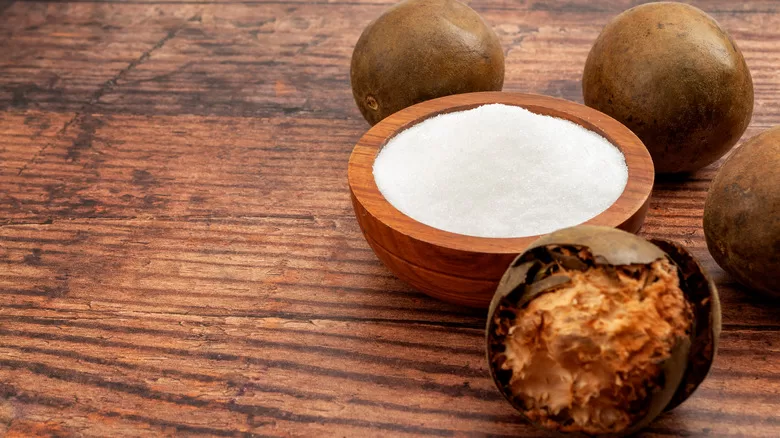
What happens after the extraction process depends on the brand of monk fruit you buy. Because the sweetener is so much sweeter than other types of sugar, some companies blend the mixture with ingredients like erythritol and dextrose, according to Healthline.
Not only does blending monk fruit sweetener with these ingredients make it look and feel more like regular table sugar, but they help balance out its intense sweetness.
Health Benefits of Monk Fruit
Antioxidant and anti-inflammatory effects
- Combats oxidative stress: The mogrosides in monk fruit are powerful antioxidants that neutralize free radicals, which can damage cells and contribute to various chronic diseases.
- Reduces inflammation: Monk fruit extract has been shown to reduce inflammatory markers, potentially leading to benefits for conditions associated with chronic inflammation, such as arthritis and cardiovascular disease.
- Soothes throat and coughs: Mogrosides possess anti-tussive and anti-inflammatory properties that can help soothe sore throats and reduce coughs.
Weight management and blood sugar control
- Zero calories and zero sugar: As a sweetener, monk fruit has zero calories and sugar, making it a useful tool for weight management and for individuals monitoring their blood sugar levels.
- Improves blood sugar regulation: Some research indicates that monk fruit extract may help lower postprandial glucose and insulin responses.
- Boosts fat metabolism: Mogrosides have been shown to improve the activity of enzymes that break down fat, which can help suppress fat and cholesterol levels in some animal studies.
Other potential benefits
- Supports gut health: Monk fruit is low in FODMAPs, making it a suitable option for people with sensitive stomachs, as it is less likely to cause bloating or gas.
- Promotes dental health: It provides sweetness without contributing to tooth decay because it’s sugar-free and doesn’t promote the growth of cavity-causing bacteria.
- Boosts immune function: Some studies suggest monk fruit polysaccharides can increase the activity and function of immune organs.
Is monk fruit safe for diabetics?
This is the most important question: is monk fruit safe for diabetics to consume? The answer is yes – as long as it is consumed in moderation.
The reasons why monk fruit sweetener is considered safe for diabetics are as follows:
Zero calories and carbs:
Monk fruit does not add calories or carbs to your diet, which helps keep blood sugar levels stable.
No effect on blood sugar levels:
Unlike regular sugar, monk fruit does not cause blood sugar spikes. This makes it ideal for people with diabetes or those following a low-carb or ketogenic diet.
Natural Antioxidant:
Mogroside is the active compound in monk fruit that has antioxidant and anti-inflammatory properties that help protect against cell damage and oxidative stress – both of which are common problems in diabetes.
No known side effects:
Monk fruit has received safety certification from the Food and Drug Administration (FDA). Studies have shown that monk fruit has no adverse effects on blood sugar, cholesterol, or gut health.
Is Monk Fruit Safe or Are There Risks?
Monk fruit, known as Siraitia grosvenorii or luo han guo, is a herbaceous plant belonging to the Cucurbitaceae family of gourds. It is native to Southern China and is mainly used for its fruit extract, taken from the fruit, which is sweeter than sugar after it has been dried.
Monk fruit is considered a food additive, as is any substance or chemical added to food during the preparation process. As a food additive, the U.S. Food and Drug Administration (FDA) regulates it.
The FDA recognizes monk fruit as generally regarded as safe (GRAS). This means that it has investigated its positive and negative effects and found that it is a safe alternative to sugar. It is regulated based on its mogroside IVe content.
Research has found no potential adverse effects associated with consuming monk fruit sweeteners. They are considered safe for children and pregnant people. That said, because monk fruit products are relatively new and human research studies on their effects are lacking, the safety of long-term use has yet to be determined.
Animal Studies and Monk Fruit Safety
The research surrounding the effects of frequent monk fruit consumption is limited. Animal studies that have investigated the effects of monk fruit consumption over periods of time of up to 90 days have not found any long-term side effects or health risks, but more research is needed before we will know if this is also true for humans.
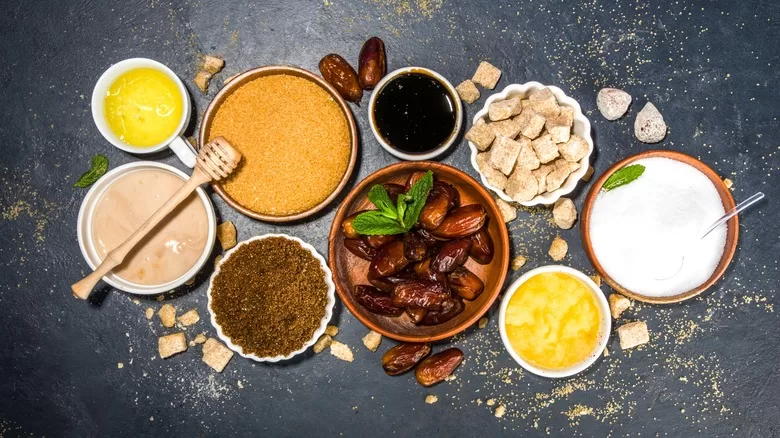
Monk fruit VS. other sweeteners
Monk fruit vs. Stevia
Monk fruit
Pros
- Sweeteners made with monk fruit don’t impact blood sugar levels.
- With zero calories, monk fruit sweeteners are a good option for people watching their weight.
- Unlike some artificial sweeteners, there’s no evidence to date showing that monk fruit has negative side effects.
There are several other pros to monk fruit sweeteners:
- They’re available in liquid, granule, and powder forms.
- They’re safe for children, pregnant women, and breast-feeding women.
According to a 2009 studyTrusted Source, monk fruit gets its sweetness from antioxidant mogrosides. The study found monk fruit extract has the potential to be a low-glycemic natural sweetener.
A 2013 studyTrusted Source concluded mogrosides may help reduce oxidative stress. Oxidative stress may lead to disease. Although it’s unclear how specific monk fruit sweeteners come into play, the study shows monk fruit’s potential.
Cons
- Monk fruit is difficult to grow and expensive to import.
- Monk fruit sweeteners are harder to find than other sweeteners.
- Not everyone is a fan of monk fruit’s fruity taste. Some people report an unpleasant aftertaste.
Other cons to monk fruit sweeteners include:
Some monk fruit sweeteners contain other sweeteners such as dextrose. Depending on how the ingredients are processed, this may make the end product less natural. This may also impact its nutritional profile.
Mogrosides may stimulate insulin secretion. This may not be helpful for people whose pancreas is already overworking to make insulin.
They haven’t been on the U.S. scene very long. They’re not as well studied in humans as other sweeteners.
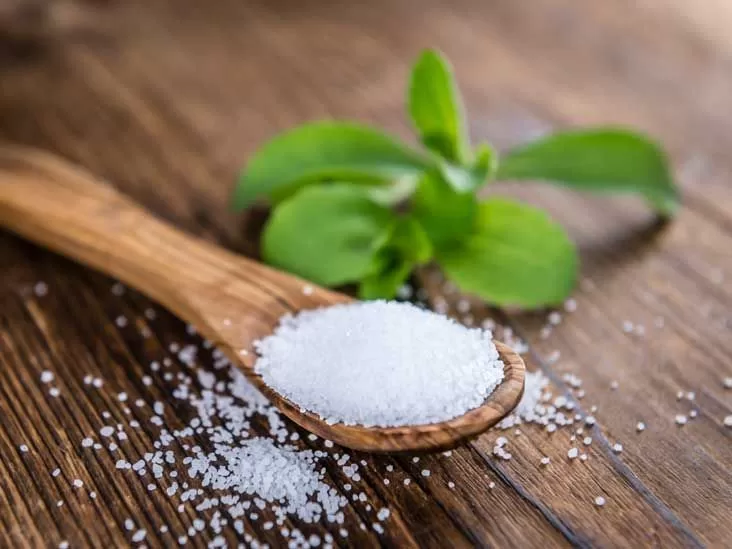
Stevia
Pros
- Stevia sweeteners don’t have calories and are a good choice for people trying to lose weight.
- They generally don’t raise blood sugar levels, so they’re a good sugar alternative for people with diabetes.
- They’re available in liquid, granule, and powder forms.
Cons
- Sweeteners with stevia are more expensive than sugar and most other artificial sweeteners.
- It may cause side effects such as bloating, nausea, and gas.
- Stevia has a liquorice flavour and a somewhat bitter aftertaste.
Stevia has several other downsides, including:
- It may cause allergic reaction. If you’re allergic to any plant from the Asteraceae family such as daisies, ragweed, chrysanthemums, and sunflowers, you shouldn’t use stevia.
- It may be blended with higher-calorie or higher-glycemic sweeteners.
- Most stevia products are highly refined.
Monk fruit vs. Erythritol
Monk fruit is a natural, zero-calorie sweetener from a fruit, while erythritol is a zero-calorie sugar alcohol often added to monk fruit blends as a bulking agent. Monk fruit contains antioxidants and may have anti-inflammatory properties, but its pure extract is extremely sweet, requiring dilution with a bulking agent like erythritol to be practical. Erythritol is known for not raising blood sugar but can cause digestive issues and has been linked to potential cardiovascular risks in recent research.
Monk fruit
- Source: A small, gourd-like fruit native to China.
- Sweetness: 150–300 times sweeter than sugar.
Benefits:
- Zero calories, zero carbs.
- Contains mogrosides, which have antioxidant and anti-inflammatory properties.
- May help manage blood sugar.
- No known negative health effects when consumed as a pure extract.
Drawbacks:
- Pure extract is too potent for most uses and often needs to be mixed with other ingredients.
- Some find the taste has an aftertaste.
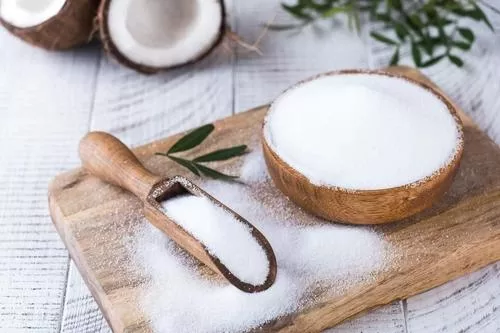
Erythritol
- Source: A sugar alcohol produced by fermenting glucose from sources like corn or wheat.
- Sweetness: About 70% as sweet as sugar.
Benefits:
- Zero calories, doesn’t raise blood sugar.
- Has been used for decades as a sugar substitute.
- Provides bulk to dilute the intense sweetness of monk fruit extract, making it easier to measure.
Drawbacks:
- Can cause digestive issues like bloating for some people.
- Recent research has linked high levels of erythritol in the blood to an increased risk of heart attack and stroke, making it a concern for those with cardiovascular risk factors.
Key differences and considerations
- Safety: Pure monk fruit extract appears to be safer based on current research, while erythritol is a subject of ongoing health concerns, particularly regarding cardiovascular health.
- Products: Many “monk fruit” sweeteners on the market are actually blends of monk fruit extract and erythritol. It is important to read labels carefully to know what you are consuming.
- Sweetness: If you want the pure sweetener, choose a product that is just monk fruit extract. If you need a sugar substitute for cooking or baking that measures like sugar, a blend containing erythritol is often used to provide that texture and sweetness level.
- Taste: Pure monk fruit has a distinct taste, while adding erythritol is meant to replicate the taste of sugar more closely.
Summary
For many people, such as those with dietary restrictions, natural sweeteners are a good alternative to refined sugar.
Monk fruit sweetener is derived from the juice of monk fruit. It is around 100 to 250 times sweeter than sugar.
Monk fruit sweetener may help with weight management, and it also has antioxidant and anti-inflammatory properties. Although mogroside extracts from monk fruit may have some health benefits, more research is necessary.
Products such as monk fruit can erythritol can provide the sweetness of sugar with nowhere near the same number of calories or carbs. Sugar alcohols may also lend the necessary sweetness without causing spikes in blood sugar.
Monk fruit and stevia are nonnutritive sweeteners. This means they have little to no calories or nutrients. Both are marketed as natural alternatives to sugar.
This is true to a point. Monk fruit is typically not as refined as stevia, but may contain other ingredients. The stevia you buy in the grocery store is vastly different from the stevia you grow in your backyard. Even so, stevia and monk fruit sweeteners are more natural choices than artificial sweeteners containing aspartame, saccharine, and other synthetic ingredients.
If you’re diabetic or trying to lose weight, read monk fruit or stevia product labels carefully to see if higher-calorie and higher-glycemic sweeteners were added.
In the end, it all comes down to taste. If you don’t like the taste of monk fruit or stevia, their pros and cons don’t matter. If possible, try them both to see which you prefer.