 +86-29-87300696
 info@botanicalsuppliers.com




 EN
EN CN
CN RU
RUHow to Ensure Zero Pesticide Residue in Plant Extracts?
March 05
For brands in the dietary supplement and functional food market, safety margins are tighter than ever. A single batch with pesticide residue can lead to recalls, complaints, and lasting brand damage.
“Zero pesticide residue” is no longer a marketing claim but an operational requirement that depends on sourcing, extraction, and quality control. At Botanical Cube, this responsibility starts well before production and continues through final product release.
The Foundation of GAP Bases
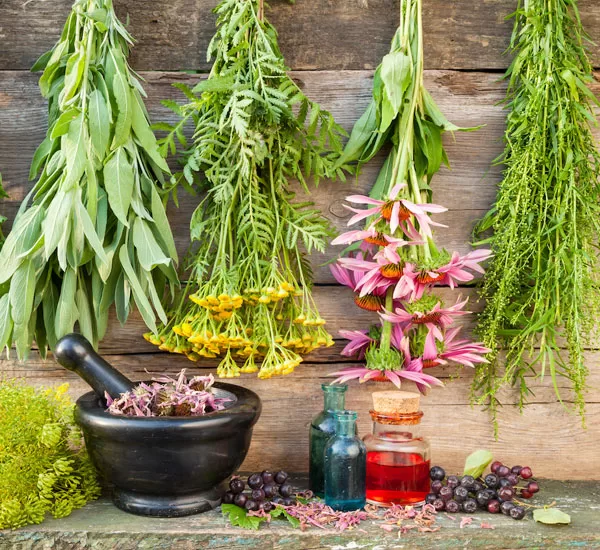
High-quality extraction remains impossible without high-quality raw materials. No amount of processing can purify a plant source heavily contaminated at the root. Therefore, we strictly adhere to Good Agricultural Practices (GAP) to control quality before the seed is even planted.
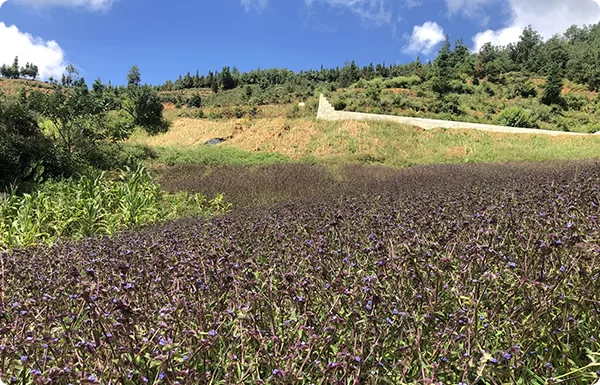
Our supply chain management begins with the geographical selection of growing bases. We prioritize regions located far from industrial zones to minimize the risk of soil and water contamination.
The GAP Protocol Breakdown
- Soil & Water Audits: Before planting, we conduct comprehensive testing on soil pH, heavy metal content, and irrigation water quality. If the baseline data exceeds our internal limits, the site is rejected.
- Agrochemical Management: We enforce a strict “Negative List” of prohibited pesticides. Farmers in our cooperative bases receive training on biological pest control methods to minimize chemical intervention.
- Harvest Timing: Plants are harvested only at peak potency, but also strictly outside of any chemical withholding periods to ensure residues have degraded naturally.
By managing the source, we establish full traceability. Every batch of raw material carries a unique ID code, allowing us to trace it back to the specific plot of land and the farmer responsible for its cultivation.
Our Quality Control Process
Once the raw material arrives at our facility, it enters a “Quarantine Zone.” It does not move to the production line until it passes the first gate of our 3-Step Quality Control System. This systematic approach ensures that non-compliant material is identified and rejected immediately.
Phase 1: Inbound Raw Material Inspection
This is our primary filter. We test representative samples from every incoming lot for botanical identity and contamination. If a sample fails, the entire lot is returned to the supplier.
Phase 2: In-Process Monitoring (HACCP)
During extraction, concentration, and drying, our QA team monitors Critical Control Points (CCPs). This includes tracking temperature curves to prevent thermal degradation of active compounds and verifying filtration efficiency to remove physical impurities.
Phase 3: Final Product Release
Before packaging, the finished extract undergoes a comprehensive analysis. This is the “Final Gate.” No product leaves the warehouse without a signed Certificate of Analysis (COA) that matches the master specification.
Standard Testing Parameters & Limits
| Parameter | Test Item | Standard Limit (General) | Method |
| Heavy Metals | Lead (Pb) | < 3.0 ppm | ICP-MS |
| Arsenic (As) | < 1.0 ppm | ICP-MS | |
| Cadmium (Cd) | < 1.0 ppm | ICP-MS | |
| Mercury (Hg) | < 0.1 ppm | ICP-MS | |
| Pesticides | Residue Screen | EC 396/2005 Compliant | GC-MS / LC-MS-MS |
| Microbiology | Total Plate Count | < 1,000 cfu/g | AOAC / USP |
| E. Coli | Negative | AOAC / USP | |
| Salmonella | Negative | AOAC / USP |
Third-Party Testing Transparency
While our internal laboratory is equipped with advanced HPLC, GC, and UV instrumentation, we recognize that self-validation is insufficient for building total trust. To eliminate any conflict of interest, we maintain a routine partnership with globally recognized third-party laboratories such as SGS, Eurofins, and NSF.
We operate with an “Open Book” policy regarding these results.
Specific Third-Party Validation Projects:
- Glyphosate Screening: Given the global concern over herbicides, we frequently send random batches specifically for Glyphosate testing to ensure they meet the strict “Non-Detectable” standards required by many EU clients.
- Ethylene Oxide (EtO): We strictly forbid the use of EtO for sterilization. To prove this, we commission regular EtO residue tests to validate that our steam sterilization or irradiation processes are clean.
- C14 Carbon Dating: For high-value products like Curcumin or Resveratrol, we verify natural origin versus synthetic adulteration using Carbon-14 testing.
Transparency is our currency. We encourage prospective clients to request our latest third-party reports alongside our internal COAs for comparison.
Sustainable and Eco-friendly Extraction Methods
The method of extraction dictates not only the potency but also the safety profile of the final powder. Many manufacturers still rely on harsh industrial solvents like Methanol or Acetone because they are cheap and efficient. However, these solvents pose significant risks regarding toxic residues and environmental damage.
Botanical Cube’s “Green Chemistry” Approach:
- Ethanol & Water Extraction: We utilize food-grade ethanol and purified water as our primary solvents. These are universally recognized as safe (GRAS) and leave no toxic residue.
- Supercritical CO2 Extraction: For lipophilic ingredients (like essential oils or Astaxanthin), we employ CO2 extraction. This solvent-free method guarantees zero solvent residue and operates at lower temperatures, preserving heat-sensitive bio-actives.
Transparency as a Quality Standard
In an industry rife with opacity, Botanical Cube chooses radical transparency. We understand that when you buy an ingredient, you are buying a guarantee that the product is effective, consistent.
Selecting a supplier with a robust, auditable Quality Management System is the most effective strategy to mitigate the risk of product recalls and regulatory penalties. We invite you to look closer.
Validate Our Standards Yourself
Don’t just take our word for it. We invite qualified procurement teams to conduct a virtual or physical audit of our facilities. Contact us at [info@botanicalsuppliers.com] to discuss your quality requirements.
Get in Touch
If you have any questions, please contact our experts, we are always ready to help you with individual formulations, private label solutions or any other requirements to kick-start your brand!