 +86-29-87300696
 info@botanicalsuppliers.com




 EN
EN CN
CN RU
RUIf you are a proactive pet parent like me, you have likely spent hours carefully reading the fine print on supplement labels. You want only the best for your furry friend to support their joints, boost their antioxidants, or improve their cognitive health. However, you might eventually notice an ingredient called Black Pepper Extract, which is also commonly known as Piperine.
Is Black Pepper Extract Safe for Dogs in Supplements?
February 11
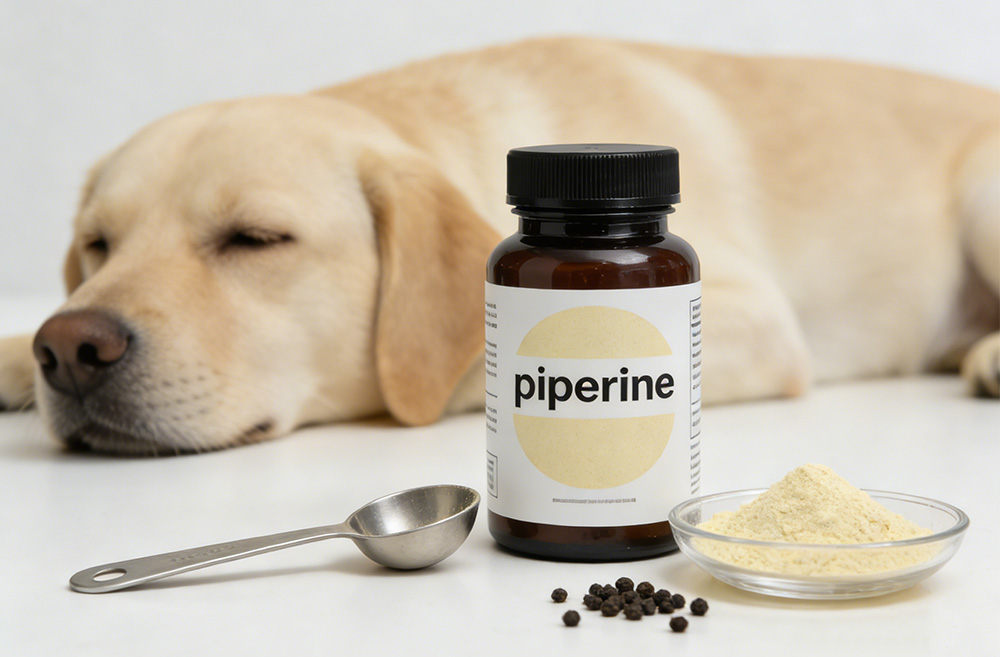
I know what you’re thinking because I’ve been there too: “Wait, isn’t pepper spicy? Can dogs even digest that? Is this just a filler, or is it actually dangerous?”
It’s a valid concern. In the world of human wellness, black pepper extract is a “gold standard” partner for nutrients like Turmeric. But when it comes to our dogs, safety is the only priority that matters. Today, I want to pull back the curtain on this “hidden hero.”
We aren’t just talking about kitchen spices. We are talking about a sophisticated bio-enhancer that distinguishes a premium supplement from a mediocre one. Let’s dive deep into the science, the safety, and the undeniable value of Piperine for dogs.
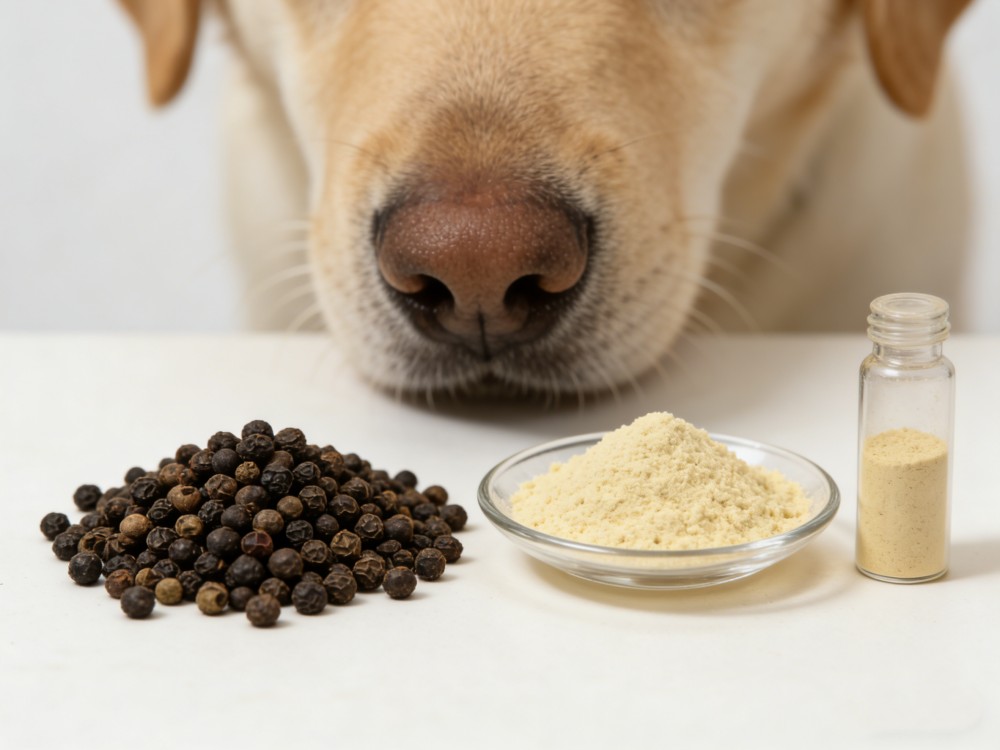
The Shift Toward “Precision Nutrition”
The global pet supplement market is no longer just about “multivitamins.” From my perspective in the industry, I see a massive shift toward Precision Nutrition.
According to recent market analysis, the global Piperine market is projected to reach approximately $111 million by 2026, growing at a CAGR of 7.0%[1].
Why is this happening? Because pet owners, particularly in North America and Europe, are becoming incredibly savvy. They’ve moved past simply asking “How much Curcumin is in this chew?” to asking “How much of that Curcumin is my dog actually absorbing?”
This is where the concept of Bioavailability comes in. In a world of “Clean Label” trends, consumers want natural, plant-based solutions that work. Rather than synthetic boosters, they want the power of nature refined by science.
Black Pepper Extract (Piperine) is the answer to that demand. It’s the bridge between an ingredient being “eaten” and an ingredient being “utilized.”
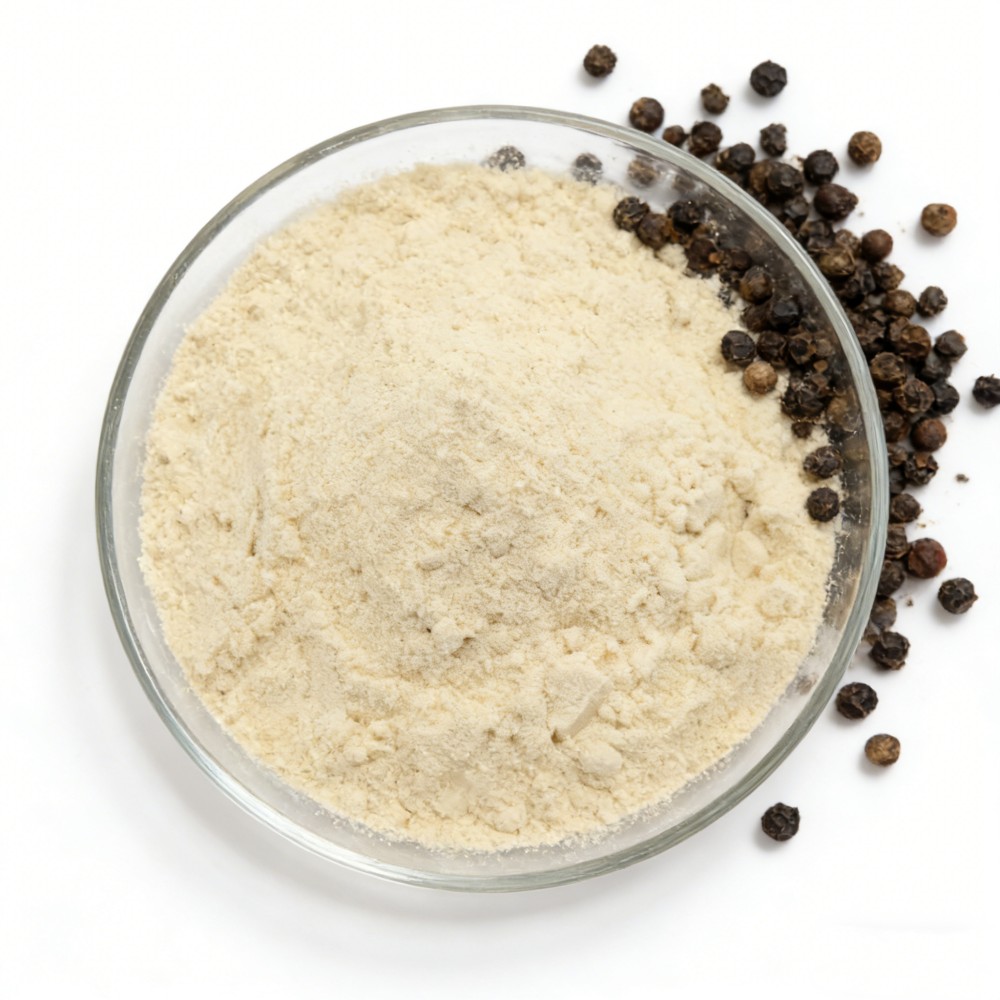
Black Pepper Powder vs. High-Purity Piperine
Before we go further, we must clear up a major misconception. When we talk about supplements, we are not talking about the black pepper shaker on your dinner table.
Kitchen Black Pepper Powder
Kitchen black pepper powder is unsuitable for pets because it contains volatile oils, resins, and heavy fibers that can trigger sneezing fits and irritate a dog’s highly sensitive olfactory system.
These raw components are known to cause gastrointestinal distress or mucosal irritation in many animals. Furthermore, standard pepper only contains a small fraction of actual Piperine, meaning a dog would have to ingest a dangerous amount of heat just to reach a therapeutic level.
Because the nutrient density varies wildly depending on the source and age of the spice, raw powder lacks the consistency required for medical grade supplementation.
High-Purity Piperine (95% Extract)
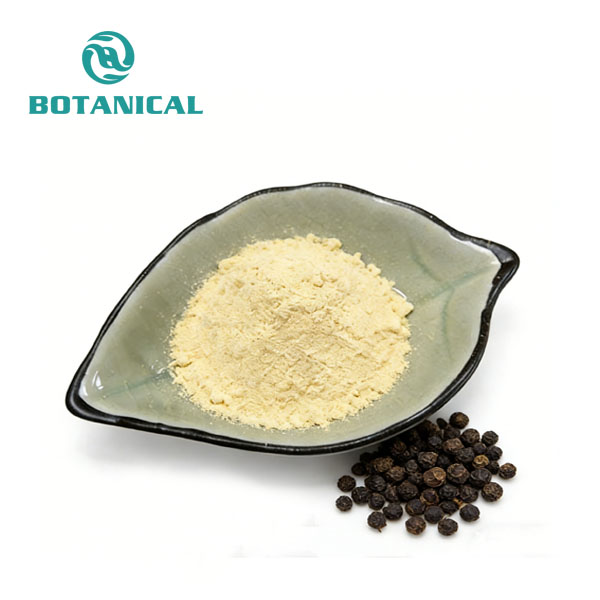
In contrast, high-purity Piperine is a standardized bioactive alkaloid where the heat, smell, and irritants have been carefully stripped away.
This molecular precision allows for safe bio-enhancement without the risk of respiratory or digestive irritation. By using a 95% pure extract, we can provide an exact and measurable dosage that ensures consistent health results.
These refined extracts bypass the stomach churning effects associated with raw spices, making them gentle enough for daily use even in sensitive dogs.
Is it safe?
Safety is backed by veterinary toxicology data rather than just marketing claims. Piperine is recognized as non-toxic to dogs by veterinary toxicological studies when administered in controlled, supplemental amounts.
Research into the Maximum Tolerated Dose shows that dogs have a remarkably wide safety margin, tolerating levels significantly higher than what is found in standard daily joint chews.
Clinical trials have demonstrated that even at these elevated doses, dogs maintain healthy blood chemistry and show no signs of clinical toxicity. The ultimate safety of this ingredient relies on the precision of using a refined extract rather than a raw kitchen spice[2].
In fact, research into the Maximum Tolerated Dose (MTD) shows that dogs have a very wide “Safety Margin.”
Even at doses significantly higher than what you would find in a daily joint chew, dogs showed no clinical signs of toxicity or adverse changes in blood chemistry. The key is precision that using a standardized extract rather than raw spice.
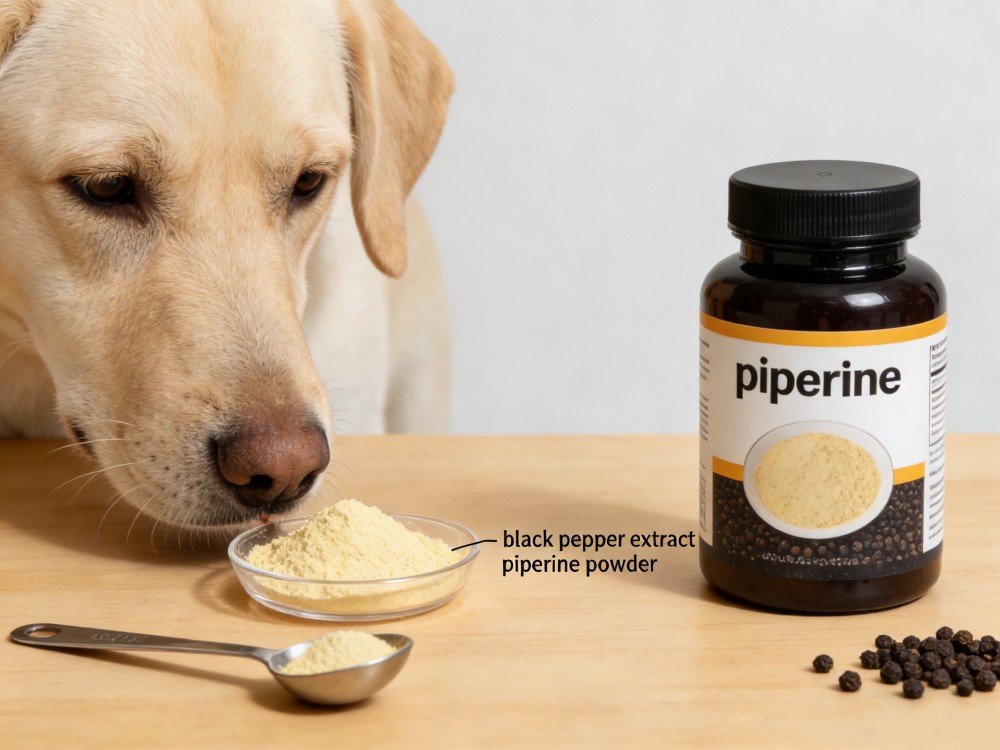
Why Does Your Dog’s Supplement Need Piperine?
As an expert in botanical extracts, I often tell my clients that Piperine is like a “VIP pass” for nutrients. Without it, many of the most expensive ingredients in pet supplements simply end up in the backyard as waste.
1. The “1 + 1 > 2” Effect: The Curcumin Connection
The most famous application is with Turmeric (Curcumin). Curcumin is a powerhouse for joint inflammation, but it is notoriously difficult for a dog’s digestive tract to absorb. It’s “hydrophobic” and quickly metabolised by the liver.
In a landmark study by Shoba et al., it was discovered that Piperine can increase the bioavailability of Curcumin by an astonishing 2,000%[3]. It achieves this by inhibiting a process called glucuronidation in the liver—essentially slowing down the “exit door” so the body has time to absorb the good stuff.
2. Beyond Turmeric: A Multi-Nutrient Accelerator
It’s not just for joints. Our data shows that Piperine acts as a universal “thermonutrient.”
- Coenzyme Q10 (CoQ10): Essential for heart health in senior dogs. Piperine helps bypass the absorption barriers in the canine gut[4].
- Vitamins and Minerals: Research involving Beagle dogs has shown that Piperine significantly improves the plasma concentration of Vitamin B6, Selenium, and Beta-Carotene [5].
- Amino Acids: It helps transport vital proteins across the intestinal membrane more efficiently.
3. Native Health Benefits
Beyond helping other ingredients, Piperine itself is an antioxidant. It helps stimulate digestive enzymes, which can be particularly helpful for aging dogs with slowing metabolisms. It supports a healthy gut microbiome, ensuring that the “engine” of your dog’s immune system is running smoothly.
Choosing the Right Piperine Source
Not all extracts are created equal. When I speak with formulators, I emphasise that the source of your Piperine determines the success of your product.
1. The 95% Standard
You should always look for 95% Piperine. This is the industry gold standard. Anything less means more impurities and less consistent results for the pet.
2. Solvent and Heavy Metal Control
Because this is a concentrated extract, the purification process must be rigorous. At our facilities, we prioritize removing any traces of solvent residues (like ethyl acetate or ethanol) and ensuring heavy metal levels (Lead, Arsenic, Mercury) are far below international safety thresholds.
3. Stability and Versatility
Whether you are making a Soft Chew, a Pressed Tablet, or a Liquid Drop, the powder must be fine enough to blend uniformly. Inconsistent blending leads to “hot spots” in production, which is a major safety concern for pet brands.
Why Partner With Botanical Cube Inc.?
This is where my passion meets my profession. At Botanical Cube Inc., we don’t just supply ingredients; we provide the scientific backbone for your pet brand.
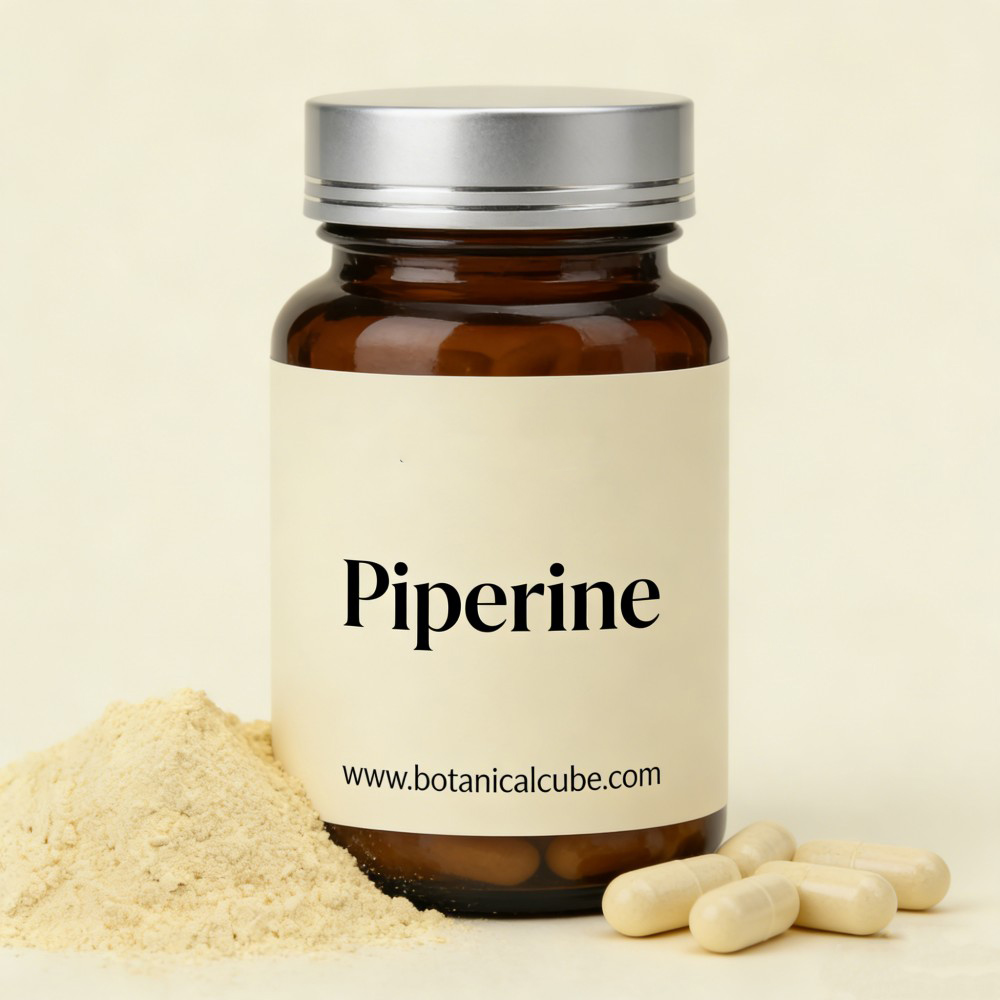
Our Black Pepper Extract Piperine Powder is crafted specifically for the high-demand overseas market. We understand that your customers in the US, Europe, and Australia demand total transparency.
- High Purity: Standardised to ≥98% Piperine for consistent, reliable bio-enhancement.
- Global Compliance: Non-GMO with full third-party COA, compliant with the strictest global regulations.
- Customised Solutions: Tailored specs (mesh size, solubility) to match capsules, functional pet drinks, and more.
Partnering for Bioavailable Pet Solutions
The question isn’t just “Is black pepper extract safe for dogs?” The real question is “Can your supplement afford to be without it?” In a competitive market where pet parents are looking for real, visible results in their dogs’ mobility and energy, Piperine is the ingredient that makes those results possible.
We are currently seeing a surge in demand as brands prepare their 2026 product lines. Don’t let your formula get left behind in the “low-absorption” past.
Let’s collaborate to create something extraordinary for the world’s pets. Whether you need a small sample for R&D or a full technical data sheet to present to your formulation team, I am here to help. Contact us today at info@botanicalsupplier.com.
Reference
[1] Global Market Insights & Industry Reports (2024-2026): Market Analysis Report: Global Piperine Market Size, Share & Trends. This data confirms the projected market valuation of $111 Million by 2026, driven by a 7.0% CAGR in the functional pet food and nutraceutical sectors as brands shift toward high-bioavailability formulations.
[2] National Center for Biotechnology Information (NCBI) / ToxNet: Safety assessment of Piper nigrum (Black Pepper) extract and its main constituent, piperine. Toxicology studies confirm that piperine is generally recognized as safe (GRAS). Research indicates that in canine models, the Maximum Tolerated Dose (MTD) is significantly higher than standard supplemental ranges, providing a robust safety margin for pet consumption.
[3] Shoba, G., Joy, D., Joseph, T., et al. (1998): “Influence of piperine on the pharmacokinetics of curcumin in animals and human volunteers.” Published in Planta Medica. This landmark study is the primary source for the data showing that piperine increases the bioavailability of curcumin by 2,000%. It details the mechanism of inhibiting hepatic and intestinal glucuronidation.
[4] Badmaev, V., Majeed, M., & Prakash, L. (2000): “Piperine derived from black pepper increases the plasma levels of Coenzyme Q10 following oral supplementation.” Published in the Journal of Nutritional Biochemistry. This study provides the experimental evidence for piperine’s role as a “thermonutrient” that facilitates the absorption of fat-soluble antioxidants like CoQ10.
[5] Majeed, M., et al. (1996/updated 1999): “Piperine – A natural bioavailability enhancer.” This collection of pharmacokinetic research includes specific Beagle dog trials, demonstrating that a small dose of piperine (standardized to 95%) significantly improves the serum concentration of Selenium (30% increase), Vitamin B6, and Beta-Carotene.
Get in Touch
If you have any questions, please contact our experts, we are always ready to help you with individual formulations, private label solutions or any other requirements to kick-start your brand!