 +86-29-87300696




What Is Ube and Why Is It So Popular Now?
August 24
Ube is a purple yam known for its distinctive purple color and mildly sweet, earthy flavor. It is widely used in desserts, beverages, bakery products, ice cream, and other food applications. Its natural purple color and unique flavor profile have helped make ube increasingly popular with consumers worldwide.
For food manufacturers, importers, brand owners, and distributors, this growing interest has also increased demand for ube powder. More brands are introducing purple-colored beverages, bakery products, frozen desserts, and other ube-based products, making ube an ingredient worth watching in the food industry.
What Is Ube?
Ube, commonly known as purple yam, is a tuber recognized for its naturally purple flesh and mildly sweet, earthy flavor. It is widely used in desserts, beverages, bakery products, ice cream, and other food formulations.
What Does Ube Taste Like?
Ube has a mild, naturally sweet, and slightly earthy flavor. Its taste is often described as having subtle notes of vanilla, nuttiness, and cooked sweet potato. However, the flavor of ube should not be confused with its visual appearance. The bright purple color of ube products often attracts consumer attention, but natural ube generally has a more delicate flavor than its appearance might suggest. The final taste of a commercial product can also depend on other ingredients in the formulation. For example, ube may be combined with:
- Coconut
- Milk or plant-based milk
- Sugar
- Vanilla
- Cream
- Chocolate
- Bakery ingredients
Why Are People Talking About Ube?
1. Ube Has a Distinctive Purple Color
Color is standardized to support food and beverage marketing. Ube has a distinctive purple color that can help products stand out in competitive categories. This makes it a popular choice for:
- Specialty beverages
- Bakery products
- Ice cream
- Desserts
- Café menus
- Social media-friendly food products
For food brands, a distinctive color can also make a product easier for consumers to recognize.
2. Filipino Food Is Gaining Global Attention
Filipino cuisine and food culture have become more familiar to consumers in international markets. As people explore foods from different cultures, ingredients such as ube are gaining attention outside the Philippines. This gives food brands more options for combining traditional ingredients with modern product formats. For example, ube can be used in:
- Ready-to-mix beverage powders
- Café beverages
- Bakery mixes
- Frozen desserts
- Snack products
- Specialty food products
Ube has strong cultural roots in Filipino cuisine, while its color and flavor also work well in a range of modern food and beverage products.
3. Consumers Want New Flavor Experiences
Many consumers are looking for flavors beyond familiar options such as chocolate, vanilla, and strawberry. Ube offers a distinctive color and a mildly sweet, earthy flavor that may be unfamiliar to consumers in some international markets. For food brands, this can provide another option for developing products with a different flavor profile. However, consumer interest is only one part of a successful product. Manufacturers and brand owners also need consistent ingredient quality, clear specifications, and a stable supply. This makes the choice of an ube powder supplier documented for commercial product development.
4. Ube Works Across Many Food Categories
Ube is also popular because it can be used across a wide range of food and beverage applications. Commercial purple ube powder can be used in products such as:
Beverages

- Ube lattes
- Milk drinks
- Plant-based beverages
- Powdered drink mixes
- Café beverages
Bakery

- Cakes
- Bread
- Cookies
- Pastries
- Dessert fillings
Frozen Desserts
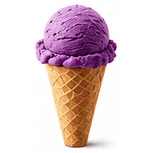
- Ice cream
- Gelato
- Frozen yogurt
- Dessert mixes
Food Manufacturing
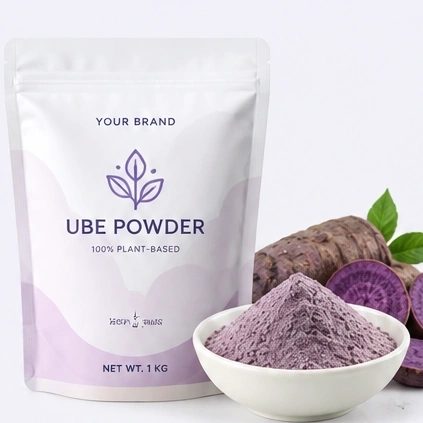
- Premixes
- Powder blends
- Snack products
- Dessert ingredients
- Custom formulations
Is Ube the New Matcha?
Ube and matcha are often compared because both have gained attention in cafés, on social media, and in premium food and beverage products. Ube and matcha are very different ingredients.
| Ube | Matcha |
| Purple yam | Powdered green tea |
| Naturally purple | Naturally green |
| Mild, slightly sweet flavor | Grassy, umami flavor |
| Caffeine-free | Contains caffeine |
| Commonly used in desserts and beverages | Commonly used in beverages, desserts, and other food products |
The question is not necessarily whether ube will replace matcha. A more practical question for food manufacturers and brands is whether ube can develop into a long-term ingredient category of its own. Matcha already has a well-established global market, with established supply chains, different grades, and broad consumer recognition. Ube is still at an earlier stage of international market development. For brands and manufacturers, this means there is still room to develop new ube products as consumer awareness of the ingredient continues to grow.
Our Ube Powder Supply Capabilities
We are an integrated manufacturer and export supplier of bulk ube powder, serving commercial buyers in international markets. Our customers include:
- Food manufacturers
- Beverage manufacturers
- Ingredient importers
- Distributors
- Brand owners
- Bakery manufacturers
- Frozen dessert producers
Different buyers may have different requirements for product specifications, packaging, particle size, and order quantities. We can discuss:
- Bulk ube powder supply
- Customized specifications
- Packaging options
- Particle size requirements
- Commercial order quantities
- Export documentation
- Long-term supply arrangements
If you are sourcing organic ube powder, we can also discuss certification requirements and product specifications based on your target market.
FAQ
Q1. Is ube the same as taro?
A1. No. Ube and taro are different root vegetables. They differ in color, flavor, texture, and culinary uses.
Q2. Why is ube popular now?
A2. Ube has gained international attention because of its distinctive purple color, growing interest in Filipino food, social media exposure, and wide range of applications in beverages and desserts.
Q3. Is ube healthier than matcha?
A3. Ube and matcha have different nutritional profiles and are used differently in food and beverage products. Neither ingredient should be considered a direct replacement for the other based on health benefits alone.
Q4. Is ube caffeine-free?
A4. Yes. Ube is naturally caffeine-free.
Why Ube Is More Than a Short-Term Food Trend
Ube has attracted attention for its distinctive purple color, mild flavor, Filipino culinary roots, and wide range of food and beverage applications.
Whether ube will reach the same global market position as matcha remains uncertain. However, its growing popularity has created new opportunities for food manufacturers and brands exploring new flavors, colors, and product concepts.
As interest in ube continues to grow, factors such as ingredient quality, batch consistency, raw material sourcing, formulation performance, and supply reliability are becoming increasingly documented for commercial applications.
For products made with ube powder, these considerations can influence the final color, flavor, texture, processing performance, and overall product consistency.
Where can I buy bulk ube powder?
If you are sourcing purple ube powder, organic ube powder, or customized bulk ube powder for commercial applications, contact us with your requirements. Please provide:
- Required application
- Target specifications
- Estimated order quantity
- Target market
- Packaging requirements
- Customization requirements
Botanical Cube can discuss suitable product specifications, packaging, and supply options based on your project requirements.
Sources & Further Reading
- Visayas State University – Philippine Root Crops Research and Training Center, An Ube Story: The Philippines’ Purple Gold
- Philstar.com, Why Filipino Ube’s Viral, Trendy Global Appeal Draws Mixed Reactions, June 15, 2026
- GMA News Online, Ube: Painting the World Purple, May 29, 2026
- SunStar, The Ube Era: Social Media Turned a Filipino Staple into an Aesthetic, June 12, 2026
- Philippine Daily Inquirer, Ube’s Global Appeal Takes Root, March 1, 2026

Get in Touch
If you have any questions, please contact our experts, we are always ready to help you with individual formulations, private label solutions or any other requirements to kick-start your brand!