Home > Resource > Does NMN Powder Expire? Guide to NMN Stability and Shelf Life
Does NMN Powder Expire? Guide to NMN Stability and Shelf Life
March 13
Nicotinamide Mononucleotide (NMN powder) has become a flagship ingredient in the nutraceutical, dietary supplement, and functional beverage industries. As global demand continues to grow, supplement brands, formulators, and ingredient buyers often ask: Does NMN powder expire or degrade over time?
Understanding NMN powder stability directly impacts product quality and shelf life. Proper storage, high-purity production methods, and reliable suppliers determine NMN quality during transportation, warehousing, and product formulation.
What Is NMN Powder?
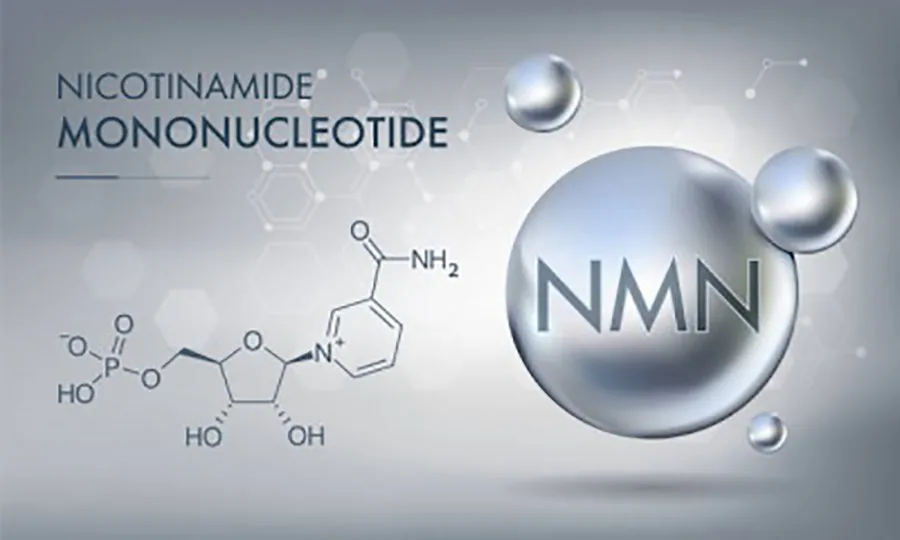
NMN (Nicotinamide Mononucleotide) is a naturally occurring compound involved in the biosynthesis of NAD+, a coenzyme responsible for cellular metabolism and energy production.
In the nutraceutical industry, NMN powder is commonly used to formulate:
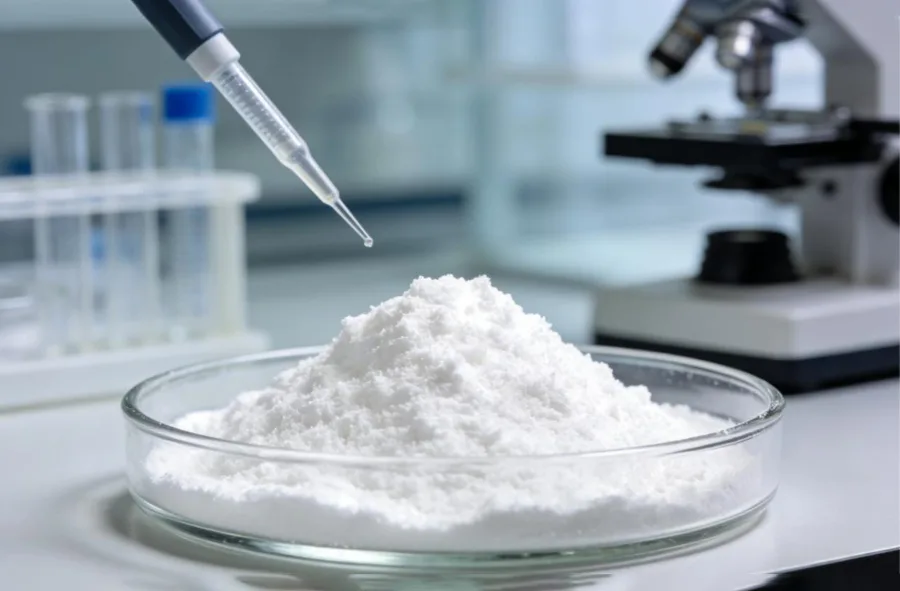
Because NMN is supplied as a high-purity white crystalline powder, maintaining its chemical stability guarantees consistent ingredient efficacy and safety for manufacturers.
.
Does NMN Powder Degrade? Factors Affecting Stability
Like many bioactive compounds, NMN powder can gradually degrade if exposed to unfavourable environmental conditions. However, high-quality NMN produced through advanced enzymatic or biological fermentation technologies remains highly stable when stored properly.
The following four factors influence NMN stability:
1. Temperature (Does it need refrigeration?)
High temperatures accelerate the degradation of nutraceutical ingredients. While early generations of NMN required strict cold-chain logistics, advanced high-purity NMN powder can typically be stored safely at room temperature (in a cool, climate-controlled warehouse).
2. Humidity & Moisture
Moisture leads to ingredient degradation. NMN powder is highly hygroscopic (absorbs moisture), meaning it must be stored in dry environments and sealed containers to prevent clumping and degradation.
3. Light Exposure
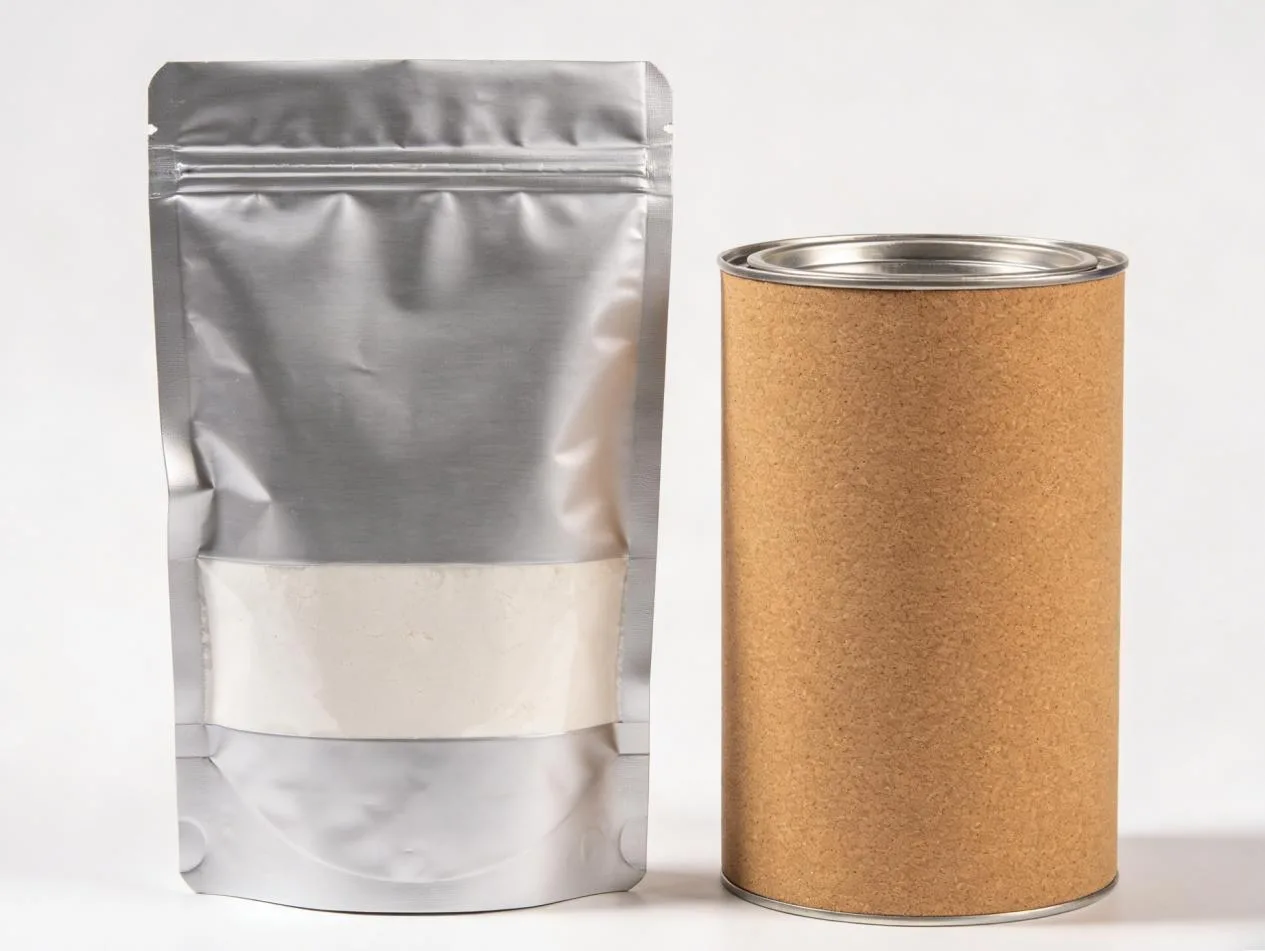
Prolonged exposure to ultraviolet (UV) light causes bioactive compounds to degrade or discolor. High-quality NMN powder must be stored in light-resistant packaging, such as opaque aluminum foil bags or fiber drums.
4. Oxygen Exposure
Exposure to oxygen over long periods triggers oxidation. Premium manufacturers use airtight packaging and inert gas flushing to minimize oxygen exposure during transit.
Typical Shelf Life of NMN Powder
For most high-purity NMN raw materials, the typical shelf life is 24 months under recommended storage conditions.
To ensure the stability of NMN powder during storage and transportation, suppliers typically use the following packaging:
1 kg aluminum foil bag
5 kg sealed package
25 kg double-layered inner packaging fiber drum
These packaging systems help protect the raw material from moisture, light, and contamination, thus ensuring the quality of the product.
Why High-Purity NMN Is More Stable?
The stability of NMN powder is directly tied to its purity and manufacturing technology. Low-purity NMN often contains residual solvents or impurities that act as catalysts for degradation or yellowing.
In contrast, high-quality NMN powder produced through advanced biological fermentation typically features:
Purity levels of ≥99%
Minimal residual solvents and heavy metals
A stable crystalline structure that resists environmental stress
Botanical Cube’s NMN Quality Assurance (COA)
To demonstrate optimal stability and quality, below is a summary of the Certificate of Analysis (COA) for our ≥99.0% high-purity NMN powder. Even under an accelerated stability test (45°C for 30 days), it maintains its pure white color and high assay.
Item
Specification
Result
Appearance
White to off-white crystalline powder
Conforms
Identification (HPLC / NMR)
Positive
Conforms
Assay (HPLC)
≥ 99.0%
99.96%
Loss on Drying
≤ 0.5%
0.21%
pH (10% solution)
4.0 – 6.0
4.8
Bulk Density
0.20 – 0.80 g/mL (customizable)
0.42 g/mL
Tapped Density
Report
0.58 g/mL
Melting Point
128 – 138 °C
132.4 °C
Solubility
Soluble in water
Conforms
Particle Size (D90)
≥ 90% pass 80 mesh
95% pass
Residue on Ignition
≤ 0.2%
0.03%
Heavy Metals (ICP-MS)
≤ 10 ppm
< 5 ppm
Lead (Pb)
≤ 0.5 ppm
< 0.1 ppm
Arsenic (As)
≤ 0.5 ppm
< 0.1 ppm
Cadmium (Cd)
≤ 0.5 ppm
< 0.05 ppm
Mercury (Hg)
≤ 0.1 ppm
< 0.01 ppm
Total Plate Count
≤ 1,000 CFU/g
< 100 CFU/g
Yeast & Mold
≤ 100 CFU/g
< 10 CFU/g
E. coli
Negative
Negative
Salmonella
Negative
Negative
Stability (45°C, 30 days)
No yellowing; purity ≥ 98.5%
Conforms; 99.12%
Conclusion
Meets all specifications
Pass
Best Practices to Prevent NMN Powder Degradation
For supplement brands, contract manufacturers (CMOs), and ingredient buyers, preserving NMN powder integrity requires strict supply chain and inventory management. Implementing the following best practices prevents degradation, avoids clumping, and extends the active shelf life of the raw material.
Optimize Climate-Controlled Storage
Because NMN powder is highly hygroscopic (readily absorbs moisture), warehousing facilities must maintain strict climate control. Store the bulk powder in cool, dry environments with low relative humidity (ideally below 40%). Operators should avoid placing fiber drums directly on concrete floors or near HVAC heating vents to prevent micro-condensation and temperature fluctuations.
Maintain Hermetic Sealing & Moisture Barriers
Oxygen and moisture contamination accelerate active ingredient loss. Once a bulk fiber drum is opened for sampling or formulation, facility operators must immediately reseal the internal medical-grade polyethylene (PE) bags. Utilizing commercial desiccants and vacuum-sealed aluminum foil packaging during transit and storage provides a robust physical barrier against oxidation.
Implement UV-Blocking Solutions
Ultraviolet (UV) light triggers photo-oxidation, altering the molecular structure and turning the pure white crystalline powder yellow. Always handle NMN in controlled lighting environments during the manufacturing process. Keep the raw material strictly inside opaque, light-blocking packaging (such as double-layered aluminum bags or solid fiber drums) rather than transparent or translucent containers.
Source from Certified GMP Manufacturers
Ingredient stability starts at the factory level. Reputable NMN manufacturers implement strict quality control (QC) protocols, including accelerated stability testing at elevated temperatures. Buyers should actively request batch-specific Certificates of Analysis (COAs), verify ≥99% purity via HPLC testing, and ensure the supplier operates under ISO22000 or GMP-certified conditions to guarantee long-term potency.
Applications of Stable NMN in B2B Manufacturing
Consistent ingredient stability allows contract manufacturers (CMOs) and supplement brands to develop premium finished products across multiple sectors:
Dietary Supplements: Formulating capsules, tablets, and sublingual powders that require strict active ingredient retention.
Functional Beverages: Utilising water-soluble NMN for energy drinks and liquid longevity formulas without rapid degradation.
Nutraceutical Complexes: Blending NMN with other bioactive compounds (such as Resveratrol) to create advanced healthy-aging products.
Cosmetics & Skincare: Incorporating NAD+ precursors into topical anti-aging serums and creams.
Biotechnology: Supplying consistent, high-purity baseline materials for NAD+ metabolism and cellular research.
Reliable raw material stability directly translates to extended shelf life and guaranteed efficacy for the final consumer product.
How B2B Buyers Can Verify NMN Quality
Before purchasing bulk NMN powder, supplement brands and contract manufacturers (CMOs) should evaluate specific metrics to avoid sourcing unstable ingredients:
Request a recent COA and third-party testing reports.
Verify the purity level (Ensure it is strictly ≥99%).
Confirm packaging standards (Must be moisture-proof and light-blocking).
FAQ
Q Does NMN powder expire?
Yes. Like most nutraceutical ingredients, NMN powder has a shelf life. High-quality NMN typically remains stable for around 24 months when stored correctly.
Q Why does some NMN powder turn yellow?
Discoloration can occur due to impurities, oxidation, or improper storage conditions. High-purity NMN from reputable manufacturers generally maintains a stable white appearance.
Q How should NMN powder be stored?
NMN powder should be stored in a cool, dry place in sealed packaging, away from sunlight and moisture.
Q Does packaging affect NMN stability?
Yes. Professional suppliers use moisture-proof aluminum foil bags and fiber drums to protect NMN powder during transportation and storage.
Conclusion
NMN powder does not rapidly degrade when produced with high purity and advanced manufacturing processes. For supplement brands and distributors, maintaining NMN quality requires standard best practices: keep it cool, keep it dry, and keep it sealed. Partnering with a certified manufacturer ensures your raw materials will deliver consistent performance and maximum shelf life for your finished products.
Looking for Stable, High-Purity NMN Powder for Your Brand?
Botanical Cube Inc. guarantees ≥99% purity NMN with robust crystalline stability, ensuring an extended shelf life without the need for expensive cold-chain logistics.
With experience in the botanical extract industry, Tina creates clear, practical content on plant-based powder ingredients. She helps brands better understand their use in supplements, functional foods, and cosmetics, making it easier to choose the right ingredients and find reliable solutions.
If you have any questions, please contact our experts, we are always ready to help you with individual formulations, private label solutions or any other requirements to kick-start your brand!
 +86-29-87300696




 .
.